























Credit: Shutterstock
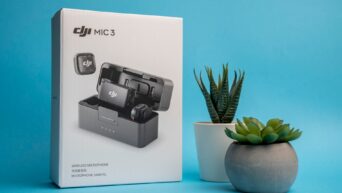
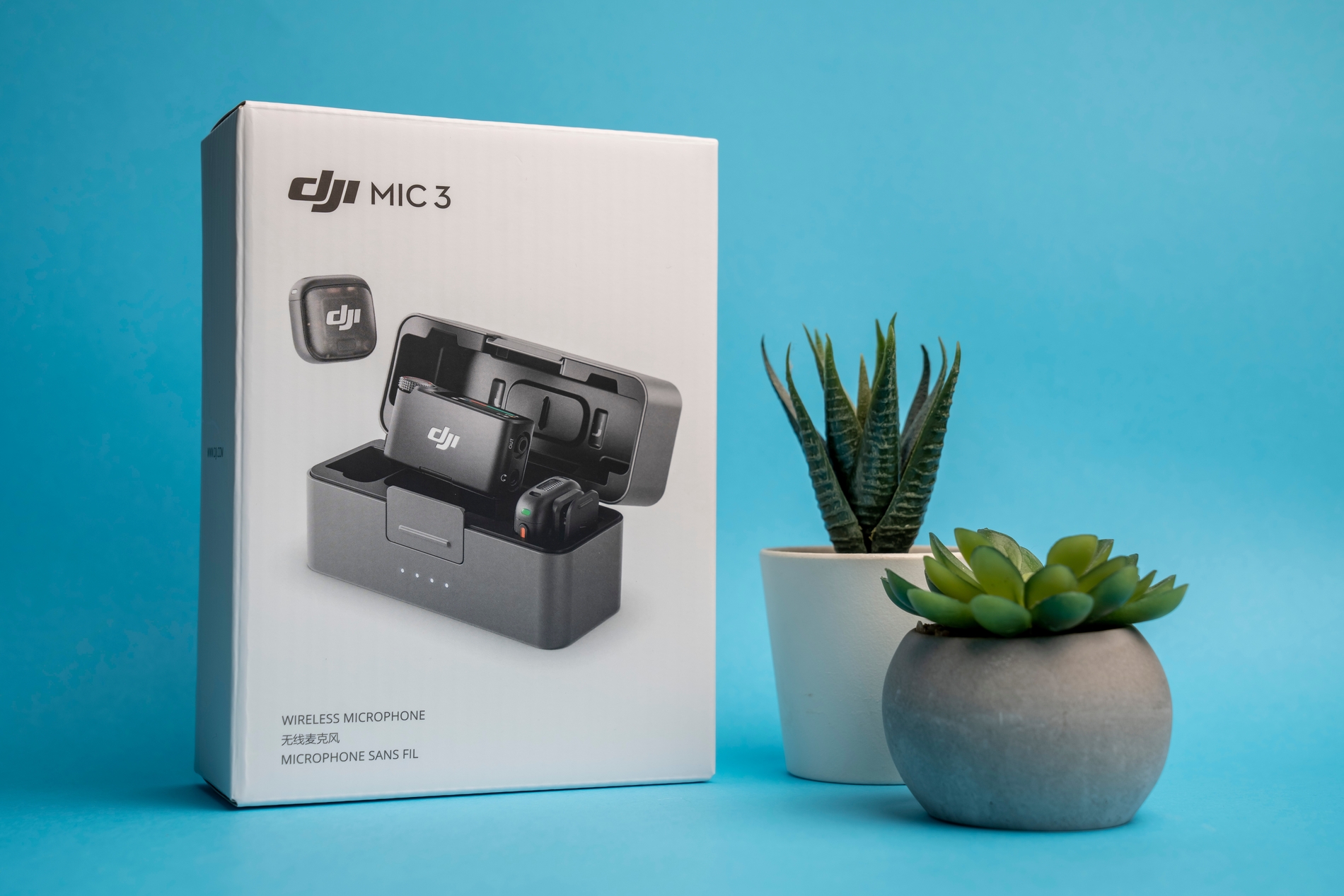
It’s rare to see wireless microphones get smaller, smarter, and more affordable at the same time, but DJI pulled it off with the Mic 3.
DJI released the Mic 3 a year ago as the successor to the well-regarded Mic 2. Instead of minor improvements, DJI shrank the transmitter down to the size of the budget-friendly Mic Mini, while keeping most of the pro features from the Mic 2 intact.
As a result, we got a wireless microphone setup that attracts both creators who want a minimalist, lightweight mic and professionals who need crisp audio for podcasts and vlogs.
Quick facts:
- Price: $169 for one transmitter and receiver & $259 for the two-transmitter kit with charging case
- Single transmitter weight: 16 grams
- Battery life: 8 hours (transmitter), 10 hours (receiver), up to 28 hours with the charging case
- Storage: 32GB built into each transmitter
- Range: up to 400 meters
After testing the DJI Mic 3 in our office and recording outdoors, here are the five biggest reasons it stands out and is worth buying.
1. It’s Noticeably Smaller and Lighter
Credit: Shutterstock
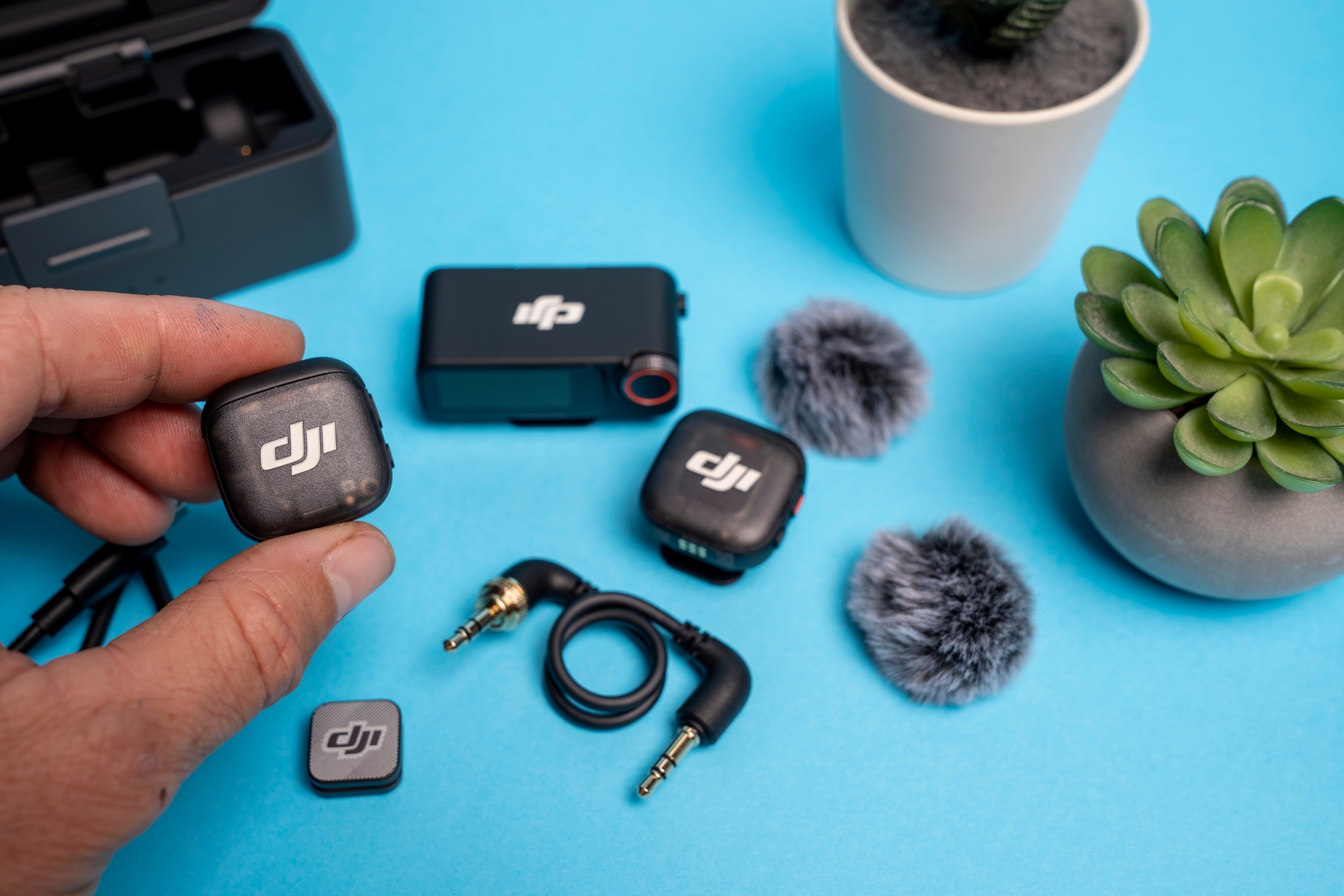
The most obvious upgrade is its smaller size. Each transmitter now weighs just 16 grams, reduced from 28 grams on the Mic 2. That is an unbelievable 43% decrease in weight. We put it side by side with the DJI Mic Mini and the bulkier Mic 2, and the difference is clear, making it easier to clip onto clothes.
For anyone recording interviews, vlogs, or podcasts for hours at a stretch, that reduced weight makes a positive difference in comfort.
2. It Handles Noisier Sound Conditions Better
DJI added several software features to the Mic 3 that help it manage unpredictable audio, something earlier models could not do as well. An example is Adaptive Gain Control, which now comes in two modes:
- Automatic: Stops sudden loud spikes from distorting the recording,
- Dynamic: Continuously balances volume as you speak.
The mic also offers two levels of noise cancellation and three voice tone presets, which include Regular, Rich, and Bright. These features enhance your voice without needing extra editing afterward.
These features are aimed at people who record outdoors, at live events, or in places where sound levels jump around unpredictably. However, a few reviewers found that the strongest noise cancellation setting can slightly distort vocals, so the lighter setting tends to sound cleaner in most everyday situations.
3. Recordings Have a Built-In Backup
Every DJI Mic 3 transmitter now stores recorded audio directly onto 32GB of internal storage, 4x the storage of the Mic 2. That’s enough storage for hours of recording without needing a nearby phone, camera, or computer.
More importantly, the Mic 3 saves two versions of each recording at once: a processed file and a raw backup, so if the wireless connection drops or something goes wrong elsewhere in the setup, the original audio is usually still sitting safely on the mic itself.
For anyone recording something that cannot be redone, like a live interview, that backup can save the entire effort.
4. Battery Life Covers a Full Day of Work
Credit: Shutterstock
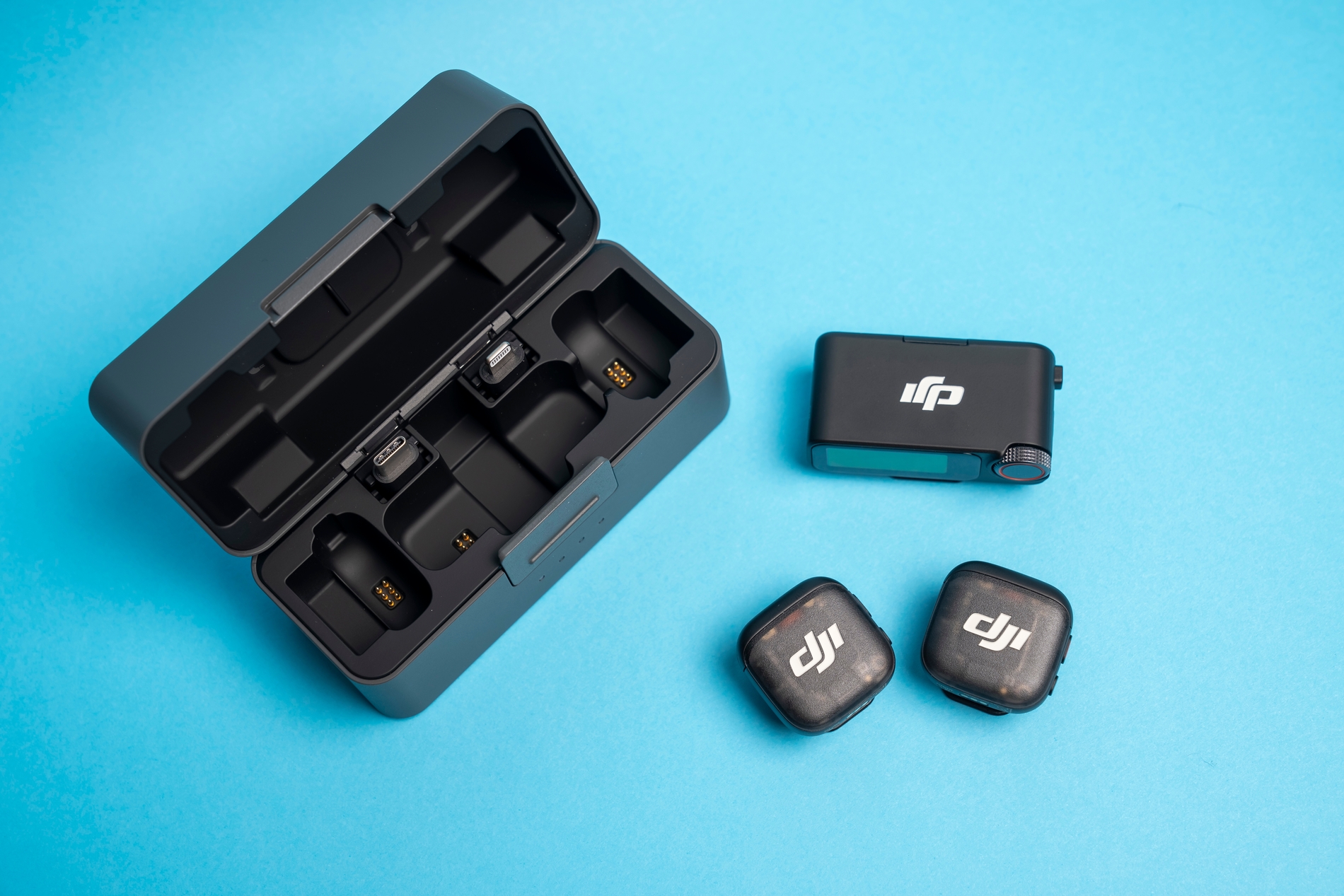
Battery life was a recurring complaint with earlier DJI mics, and the Mic 3 finally addresses it. Each transmitter can record for about 8 hours, the receiver battery lasts around 10 hours, and the charging case can charge the whole setup more than twice. Combined, this mic can provide 28 hours of total use before you need a power outlet.
DJI Mic also has fast charging, so five minutes in the case provides around two hours of recording time. That’s a useful safety net for anyone who forgets to charge their gear the night before a shoot.
5. It Scales From Solo Creator to Full Production
The DJI Mic 3 supports up to four transmitters and eight receivers at the same time, and it can record audio in different ways depending on the setup, such as:
- Mono: combines all transmitters into a single track
- Stereo: splits two transmitters into left and right channels
- Quadraphonic: records up to four transmitters as separate channels for detailed editing later
This flexibility works perfectly for a solo vlogger, a two-person interview, or a panel discussion with multiple speakers and cameras. DJI also added automatic timecode syncing, which makes lining up audio and video from separate devices faster and more accurate during editing.
Where the Mic 3 Falls Short
The DJI Mic 3 is perfect, but not completely. The biggest drawback is the missing 3.5mm input on the transmitter, which means you can’t connect an external lavalier mic as you could with the Mic 2. The magnetic clip may slip during running or dense movement. Its overly visible DJI branding could be an issue for professional productions, and with prices starting at $169 for a single-mic setup, it’s still a big investment compared with cheaper wireless options.
Should You Buy It?
The DJI Mic 3 makes the most sense for content creators, vloggers, and small production teams who want a lightweight, all-in-one wireless mic system with backup recording and enough battery life for everyday recording. If your job depends on plugging in external lavalier mics, or if you already own a Mic 2 and are okay with its size, the upgrade may not offer enough new value to justify the switch.