

















Credit: Shutterstock
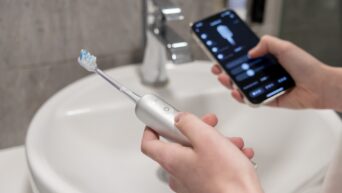
Dyson’s first toothbrush can brush and floss between your teeth while you watch the cleaning process on a mobile app.
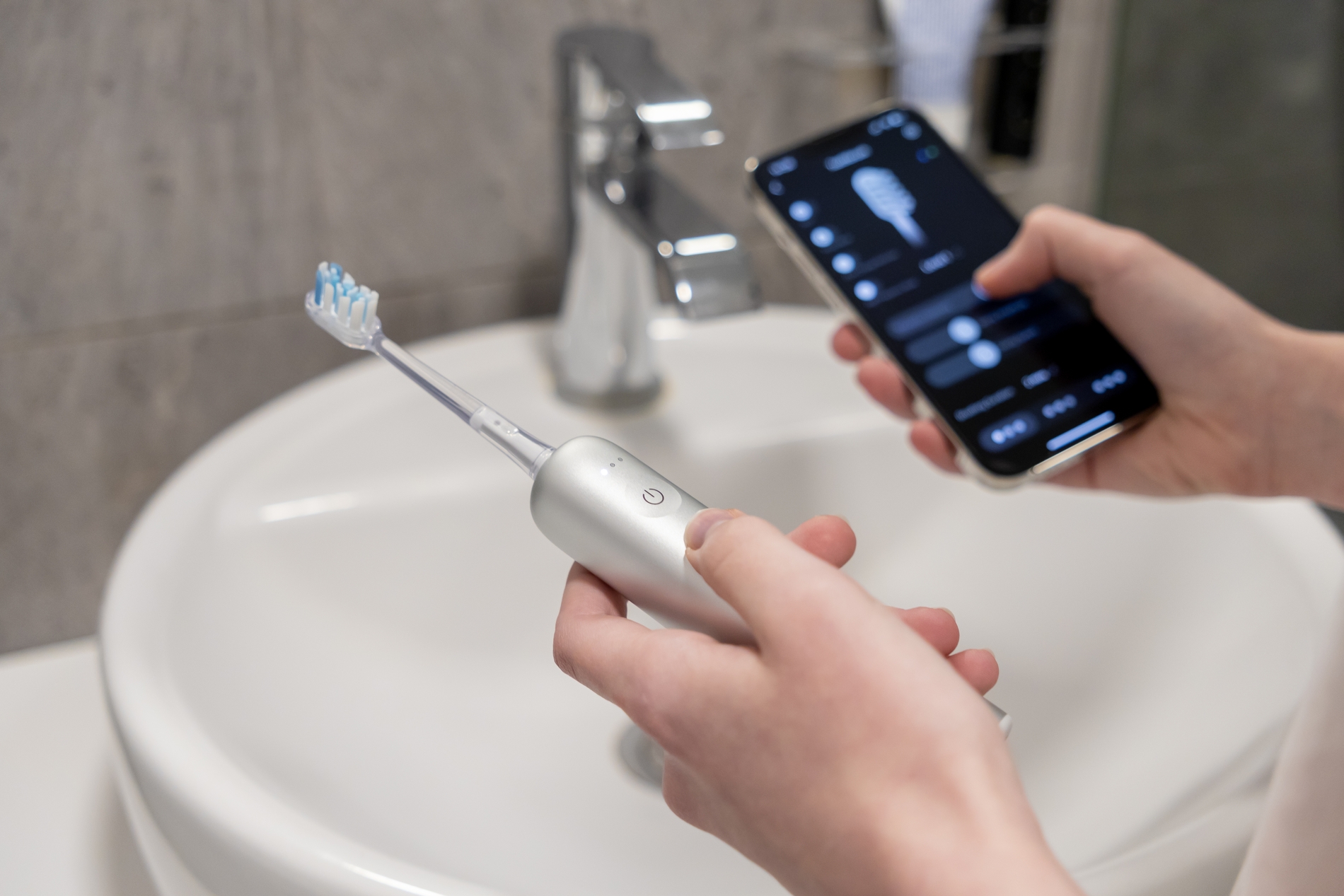
The Dyson CameraJet is a smart toothbrush that combines sonic brushing, a liquid jet flosser, and a built-in camera in one device. It uses AI to find the gaps between your teeth and power-sprays low-foaming mouthwash while you brush, so flossing happens alongside brushing instead of as a separate step. And you can also watch all of it happening inside your mouth through the MyDyson app.
It costs $499.99 in the US, £419.99 in the UK, and AU$799 in Australia, making it one of the costliest electric toothbrushes on the market. Let’s now jump into the features, what this smart toothbrush offers, and whether it is worth the money.
The camera offers more than a live video feed
The CameraJet uses a 100,000-pixel camera to identify the spaces between your teeth. It examines 28 images per second, and Dyson’s software decides when to release a short burst of liquid into a gap.
The camera can also send a live view to the MyDyson app. This lets you inspect your teeth, follow guided cleaning sessions, and see areas you may have missed.
The live view is surprisingly practical. The video is clear and smooth, with no noticeable delay. It could help you correct poor brushing technique or examine a hard-to-see area.
However, the camera does not diagnose cavities, gum disease, or other dental problems. It should not be treated as a replacement for a dentist’s examination.
Dyson says live video streams directly to the phone and isn’t stored on the toothbrush, in the app, or in the cloud. A light illuminates when the camera is active. The live-view feature is optional, although the camera still operates when automatic (AI) jetting is enabled.
Brushing and liquid cleaning happen together
The Dyson CameraJet offers three main modes:
- Brush and Auto-jet brushes the teeth and automatically flosses detected gaps.
- Auto-jet uses targeted liquid power spray without brushing.
- Brush only works like a regular electric toothbrush, with manual liquid jetting.
It also offers Gentle, Variable, and Deep Clean intensity settings.
The brush head is comfortable. It moves smoothly along the gums, and you will feel your mouth thoroughly cleaned.
However, the liquid jet is less consistent. It can miss some gaps until you adjust your technique or open your mouth wider. The liquid can also spray onto the mirror if you don’t keep your lips closed.
The handle is large because it contains a liquid tank, pump, camera, and replaceable battery. It measures about 10.75 inches long and weighs 0.51 pounds. Despite that size, it is reasonably comfortable to hold.
The app is helpful, but the brush still works without it
The MyDyson app offers live video, guided cleaning, and brushing history. These tools are most useful for people who regularly miss some teeth or want detailed feedback.
The CameraJet still offers its basic brushing and automatic jet functions without constant attention to a phone. That matters because many people will not want to open an app every time they brush.
Battery life is rated at up to 10 days if you brush one time a day in Gentle Brush and Auto-jet mode. More frequent use or stronger settings may reduce it. The battery is replaceable, which could extend the toothbrush’s life.
The handle is rated IPX7, and Dyson says you can use it in the shower. It comes with a USB-C-to-pogo-pin cable, and the included dock stores, charges, and refills the toothbrush.
Cleaning the toothbrush itself takes more work than with a normal electric brush. Dyson recommends removing and rinsing the brush head and liquid tank after every use, clearing any remaining liquid from the nozzle, and letting the parts air-dry.
Early failures are the main reason to wait
Several CameraJet owners have reported the device failing after a few uses, sometimes within seconds. Some users found water inside the battery compartment. Consumer Reports also received a unit that stopped working before its reviewer could complete a proper test.
Dyson acknowledged that a small number of early production batches had a component problem. The company said the initial shortage was caused by demand and was not a recall.
These reports do not prove that every CameraJet is defective. However, they are significant for an IPX7-rated product that regularly holds and sprays liquid.
The CameraJet includes a two-year limited warranty. Buyers should also check the retailer’s policy before purchasing. Dyson’s says returns require the hygiene seal to remain intact, which limits change-of-mind returns after the box has been opened.
The price remains difficult to justify
The CameraJet launched at $499.99 in the US, £419.99 in the UK and AU$799 in Australia. The package includes the toothbrush, two brush heads, a charging and refill dock, a travel case and charging cable.
Replacement brush heads cost $29.99 for two and should be changed approximately every three months. Dyson recommends non-foaming toothpaste and low-foaming mouth rinse because heavy foam can block the camera’s view. Buyers can use suitable alternatives, but the formula becomes another factor to consider.
The early verdict is to wait
The Dyson CameraJet has a clear purpose. Its camera can reveal neglected areas, and the automatic jet makes interdental cleaning easier to include in a daily routine. The replaceable battery, a dedicated app, and the combined brush-and-jet design are also useful.
However, the price is extremely high, the liquid system does not remove the need for string floss in every case, and Dyson has not yet demonstrated a clear advantage over a quality electric toothbrush paired with effective interdental cleaning.
Most importantly, the early failure reports make this a risky first-generation purchase. The CameraJet is promising technology, but the sensible choice is to wait for Dyson to resolve the component issue and for independent reviewers to complete longer-term testing.