


























Credit: Shutterstock
Google starts rolling out Motion Assist, Android version of Apple’s Vehicle Motion Cues.
Google is gradually rolling out a new Android 17 feature called Motion Assist, which places small animated dots on the screen to help reduce motion sickness while riding in a car, bus, or train. The feature is reaching Pixel phones first. Google has been developing this feature since late 2024.
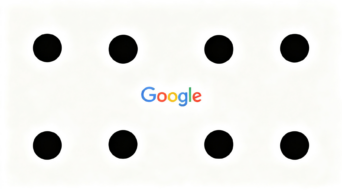
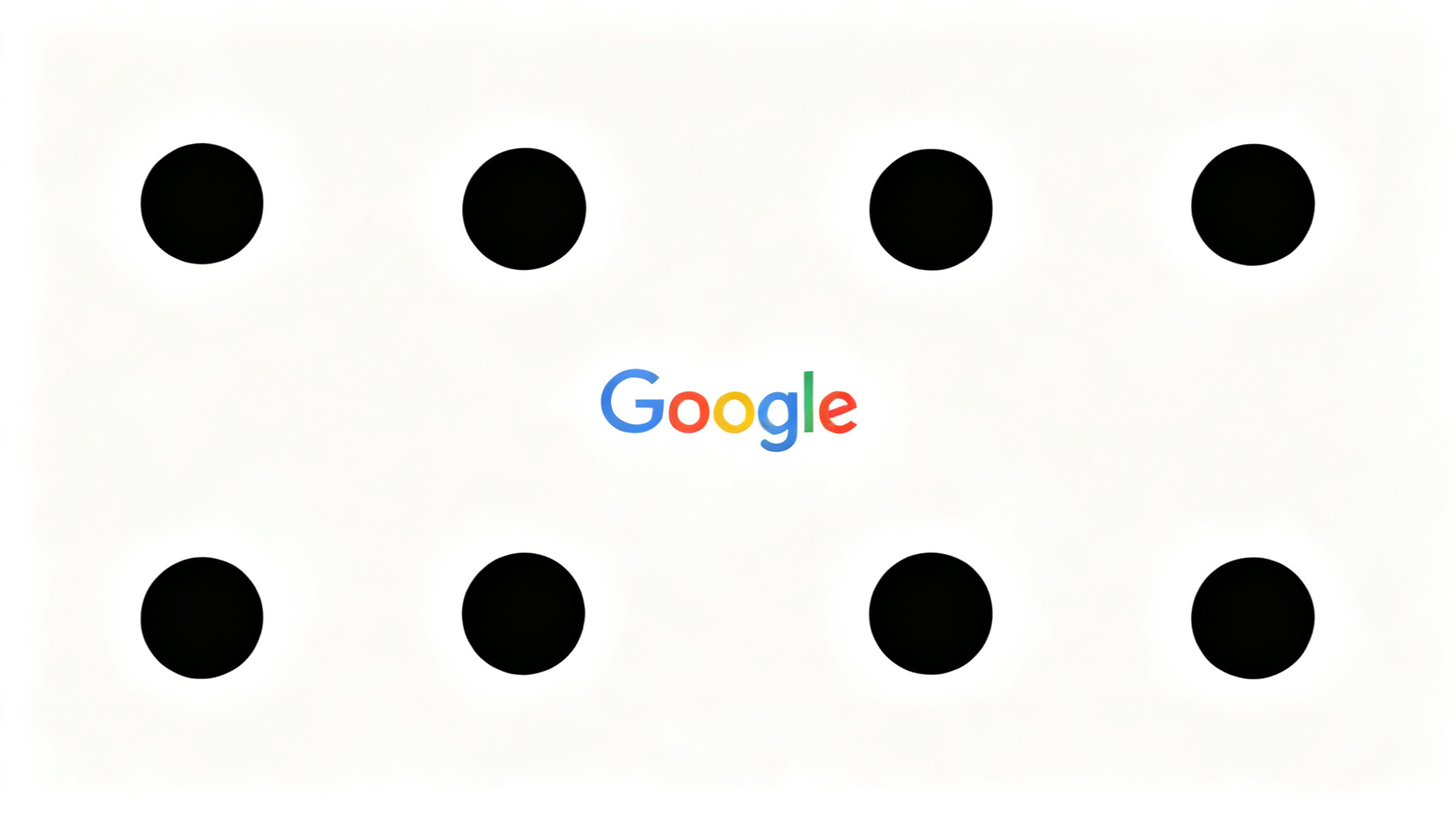
Motion Assist targets a problem researchers call Sensory Conflict. When someone looks at a phone screen while riding as a passenger, their eyes signal that nothing is moving. At the same time, the inner ear senses the vehicle turning, braking, or speeding up. That mismatch between what the eyes see and what the body feels is considered a leading cause of motion sickness. Motion Assist adds dots near the edges of the screen that shift in sync with the vehicle’s motion, using data from the phone’s built-in motion sensors, so the eyes get a moving reference point that matches what the inner ear already feels.
How to Turn It On
Motion Assist is not a standard system setting, so it will not show up in the regular Settings app for everyone yet. Instead, it currently lives inside Google Play Settings.
To find it, open the Google app, tap your profile picture, select All services, then scroll to the Personal & device safety section and tap Motion Assist.
From there, a toggle lets the feature turn on automatically whenever the phone detects it is in a moving vehicle. Google has also added a Motion Assist tile for the Quick Settings panel, so people can switch it on or off manually without digging through menus. When the feature is active, Android shows a notification confirming it is running, and tapping that notification turns it off.
Motion Assist also includes a few customization options:
- Dot color
- Dot shape
- Dot opacity
- A randomization setting that varies these automatically
A Gradual Rollout
Not every Pixel phone will get this feature at once. Motion Assist appeared on a Pixel 11 Pro XL but was still missing from a Pixel 10 Pro XL, even though both phones have Android 17. That points to a staged rollout, meaning some eligible users may not see the feature yet even if their phone meets the requirements.
Not a New Idea, But a Native One
Google first tested this concept in December 2024, when it appeared inside a Google Play Services beta under the name Motion Cues. That early version had limitations. Because it relied on Android’s standard screen overlay permission, the dots could not appear over parts of the interface such as the lock screen, status bar, notifications, or the Settings app. Google has since rebuilt the feature at the operating system level, which now lets the dots display over those system screens as well.
The idea itself is not new to phones. Apple introduced a similar tool called Vehicle Motion Cues in iOS 18, using the same edge-of-screen dot approach tied to motion sensors, accessible through Accessibility settings. Android users who wanted this kind of help before Motion Assist had to turn to third-party apps, such as KineStop, which has offered a comparable dot overlay since 2018.
Motion Assist arrives as part of Android 17, which Google began releasing to Pixel devices in June 2026. It is unclear when the feature will extend to Android phones beyond Pixel or which other manufacturers will support it.