











Credit: Shutterstock
Tesla’s driverless taxi, with no steering wheel or pedals, is now picking up paying passengers in Austin, Texas.
Tesla held a private launch event for its Cybercab robotaxi on September 3, 2026, at ACL Live in Austin. The next evening, the company opened the service to the public through its Robotaxi app. As of today, the Cybercab has been operating for five days. Early rides have gone smoothly, but the launch has also drawn a federal safety review that could shape how fast Tesla is allowed to grow the service.
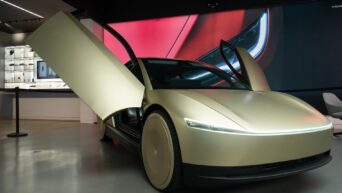
What is Tesla Cybercab
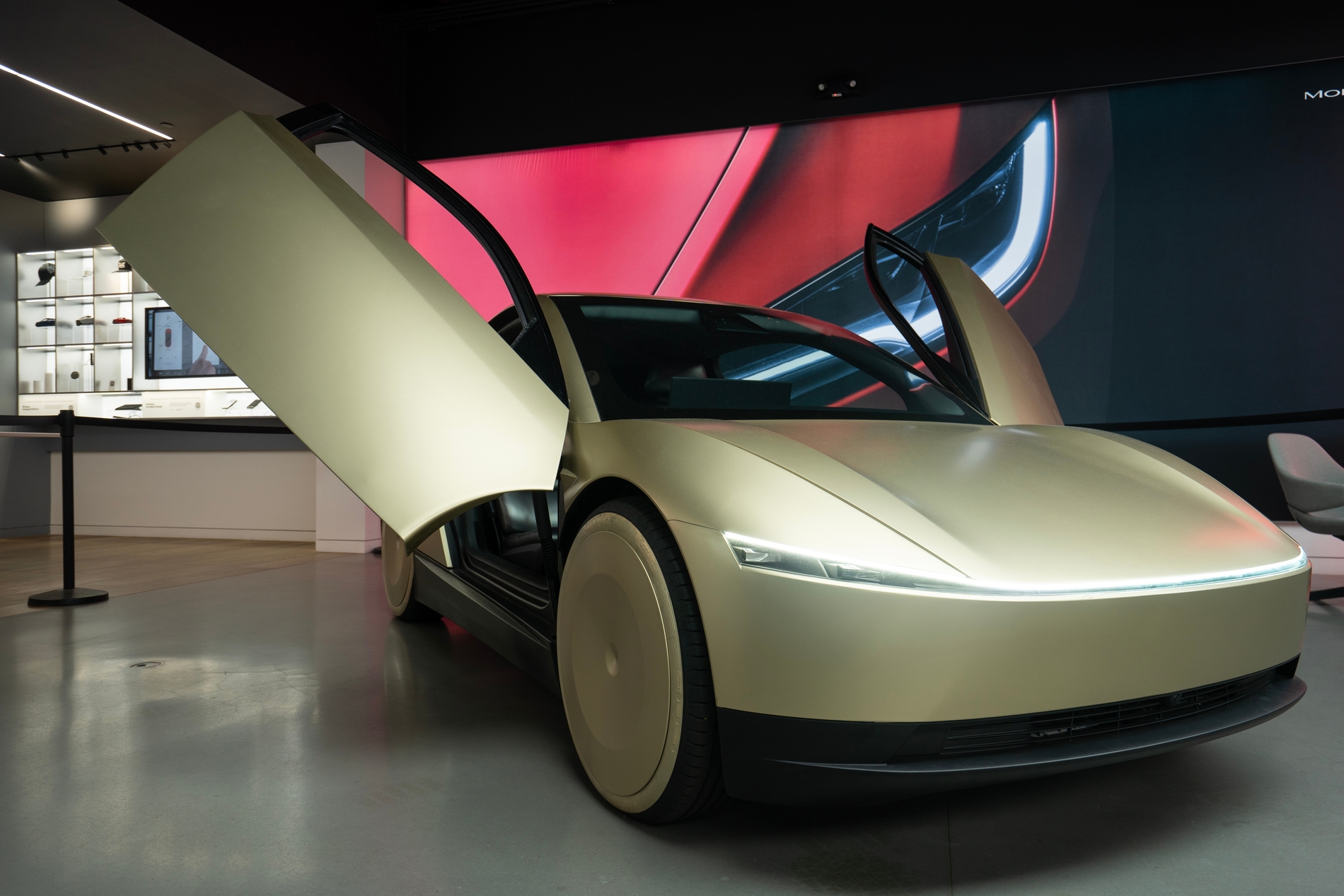
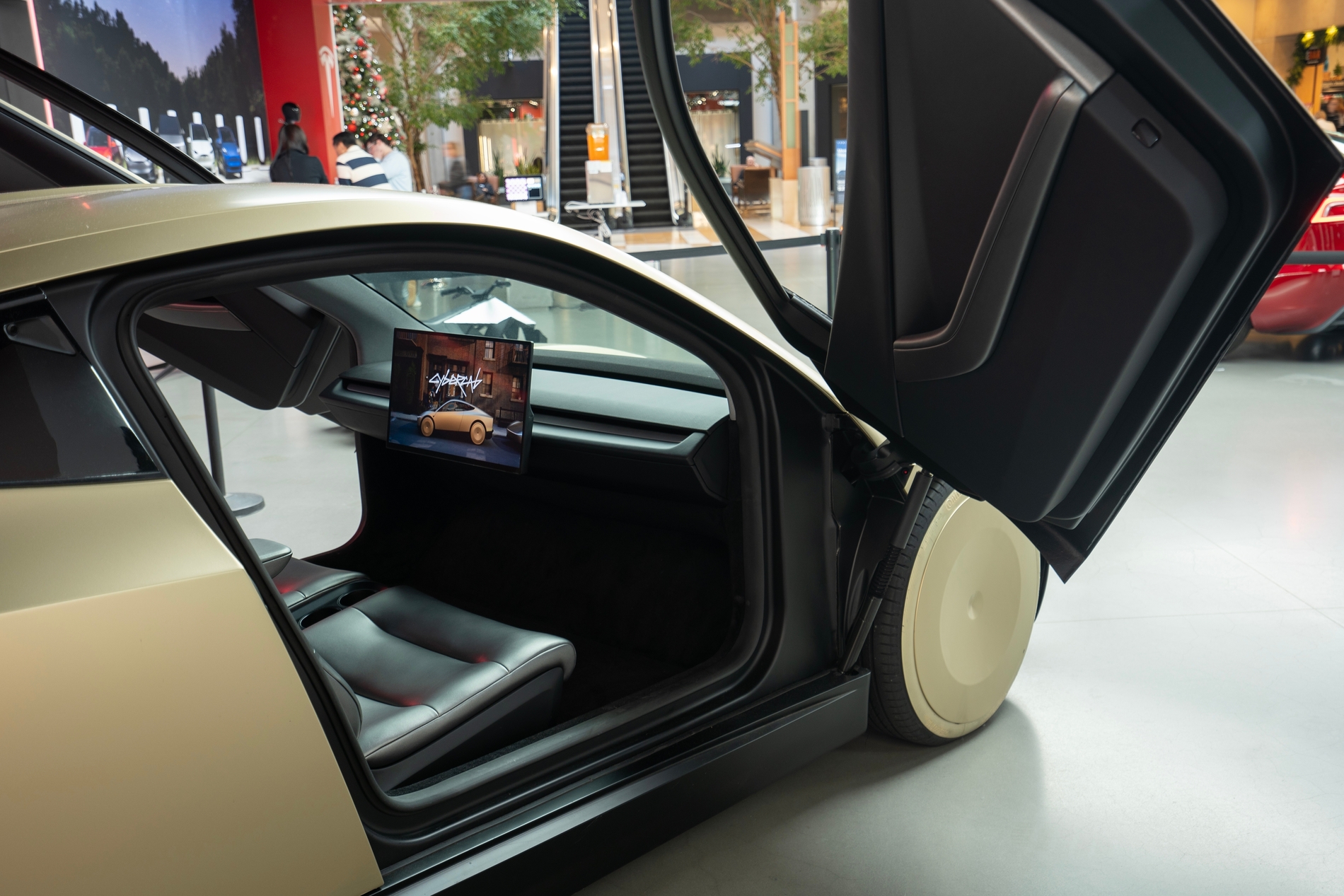
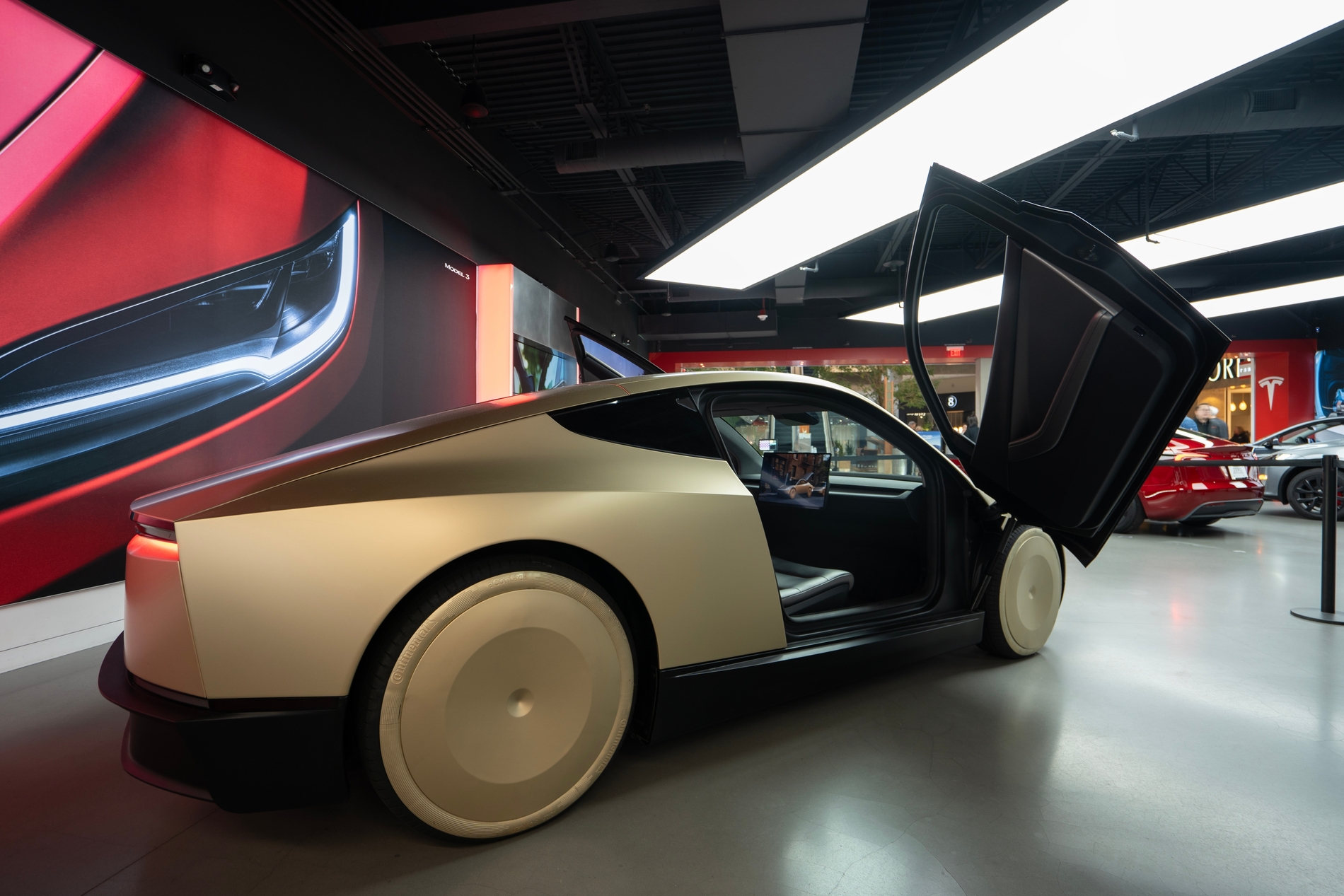
The Cybercab is a two-seat electric vehicle built specifically for autonomous ride-hailing. It has no steering wheel, pedals, or side mirrors. The doors open automatically. Tesla builds the car at Gigafactory Texas and powers it with a single electric motor producing 219 horsepower, paired with a 48 kWh battery that gives it an EPA-rated range of around 293 miles.
Tesla designed the Cybercab to be cheap to build and cheap to run, not to be a personal car. Individuals can’t buy it. Instead, Tesla plans to operate it as part of its own robotaxi fleet and eventually sell it to other fleet operators such as Uber and Careem.
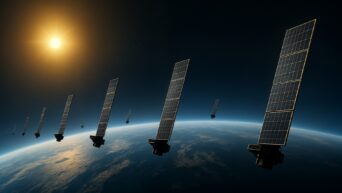
Inside the cab, riders get a large center touchscreen, Starlink internet connectivity, and Tesla’s Grok AI assistant, which can answer questions about the trip, such as remaining distance or the route being taken. Since there are no manual controls, a physical stop button lets a passenger pause the ride and connect to Tesla’s remote support team if something goes wrong.
Credit: Shutterstock
How It Works
Riders hail a Cybercab through the same Robotaxi app Tesla already uses for its Model Y robotaxis.
Tesla’s self-driving software handles the driving entirely, relying only on cameras and onboard computing. This is a deliberate and notable choice. Competitors like Waymo and Amazon’s Zoox combine cameras with radar and lidar sensors, giving their systems multiple ways to detect obstacles. Tesla is betting that cameras and AI alone are enough to drive safely without those added sensors.
The Cybercab currently operates only within Tesla’s Robotaxi geofence in Austin, an area of roughly 264 square miles. Tesla has not said when it will expand the vehicle to other cities.
Is It Safe and Accurate?
Regulators, riders, and Tesla itself are still trying to answer this question, and it is too early for a verdict.
On September 4, the same day public rides began, the National Highway Traffic Safety Administration opened a formal audit into how Tesla self-certified 1,000 Cybercabs as meeting federal vehicle safety standards. Those standards generally assume a car has a steering wheel, pedals, and mirrors. Under U.S. rules, automakers can self-certify new vehicles instead of getting upfront government approval, which is the path Tesla chose. Amazon’s Zoox took a different route for its similarly steering-less robotaxi, applying for and receiving a formal federal exemption in July 2026 after a multi-year review. NHTSA’s administrator said the agency supports self-driving technology but that existing safety rules remain in force until they are officially changed. The audit has not stopped Cybercab service, but it could affect how quickly Tesla can expand it.
A separate safety document Tesla filed with Texas officials says that if a Cybercab stalls or breaks down, emergency responders may need to physically push it out of the way, since they can’t steer or drive it manually. Some Cybercabs on the road still carry a human safety monitor in the front passenger seat, though Tesla’s stated goal is to remove that role entirely.
On accuracy, it is important to separate the Cybercab from Tesla’s older robotaxi program. For context, Tesla’s existing robotaxi service, which uses Model Y vehicles with a human safety monitor on board and has been running since June 2025, recorded 14 crashes over 800,000 miles through February 2026. That works out to roughly one crash every 57,000 miles, 4x as often as human drivers have minor collisions.
Tesla treats detailed crash data as confidential business information and shares less of it publicly than Waymo, which has published results from more than 6 million fully driverless miles. The Cybercab itself is too new to have its own independent safety record, and Tesla has not yet released performance data specific to it. Anyone comparing the two should keep in mind that the crash numbers above describe the older Model Y fleet, not the Cybercab.
What Riders Are Saying So Far
Early reviews from the first five days have been largely positive, though the sample size is still small since only 45 Cybercabs are on the road.
Writer David Moss, who took a 63-minute trip across city traffic, 50 mph roads, and tight turns near Lake Austin, described the cabin as comfortable as a first-class airline seat, with more legroom than the Model Y. He said he would choose a Cybercab over rides from Waymo, Zoox, or other competitors. Another early rider, Tesla enthusiast Sawyer Merritt, posted that the cabin felt spacious, the suspension was soft, and the self-driving software handled the route smoothly.
Not everything has worked as advertised. One rider reported that the Starlink internet connection, one of the car’s advertised features, did not work during the trip. Pricing has also stood out to riders: a ride that costs $12.10 in a Model Y robotaxi cost $7.77 in a Cybercab on the same route, a discount of roughly 35%.
The Bigger Picture
Credit: Shutterstock
Tesla now runs several hundred robotaxis across Texas, with the vast majority still Model Y vehicles and only 45 Cybercabs. That is still small compared with Waymo, which has close to 1,000 registered vehicles in Texas and more than 4,000 operating across 14 U.S. cities, with several years of public safety data behind them.
Investors were watching closely too. Tesla’s stock fell 4.6% on the day public rides began, its steepest single-day drop in six weeks, as some analysts said they were disappointed by the closed-door launch event and the lack of a clear timeline for scaling the fleet.
Five days into the Cybercab launch, two things are true at the same time. It is a real, working driverless taxi carrying paying passengers on public roads today, and early riders mostly like it. It is also a vehicle whose safety certification is now under federal review, built on self-driving technology that has not yet proven itself at scale without backup sensors. How the NHTSA audit turns out over the coming weeks will likely decide whether the Cybercab fleet keeps growing or whether Tesla has to slow down and adjust.