





















Credit: Shutterstock
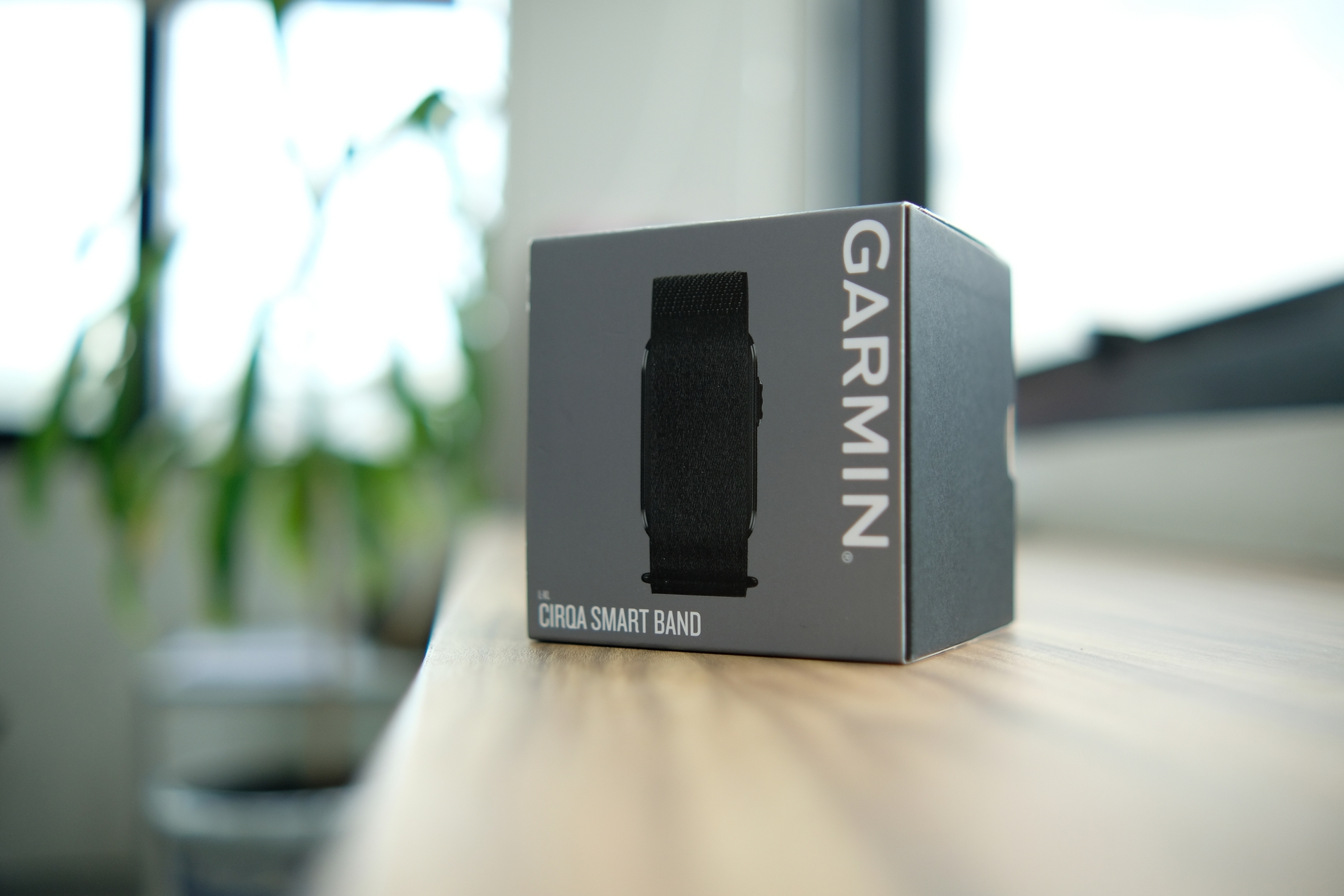
The Garmin CIRQA smart band works best when you stop expecting it to replace a Garmin watch.
I have been interested in screenless fitness trackers for one main reason. I like having health and fitness data, but I do not want another screen on my wrist. That is exactly where the Garmin CIRQA Smart Band fits in, competing with Whoop and the Google Fitbit Air.
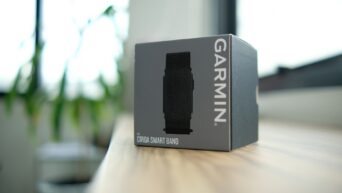
CIRQA is Garmin’s first screenless smart band. There is no display for notifications, workout stats, or even the time.
Garmin sells it for $199.99 in the US, with no subscription required for its core health, sleep, and training features. It promises up to 10 days of battery life and supports more than 80 activity types.
After using the CIRQA for a month, I think the idea makes a lot of sense. But this smart band also has a few limitations that become clearer once you start wearing it every day.
The missing screen is the whole point
The first few days with CIRQA felt slightly unusual because there was nothing to interact with. There is one physical button on the side, but otherwise the band has a bumpless body. No notifications appear on my wrist, and no screen encourages me to check steps, heart rate, weather, or messages.
I ended up liking that more than I expected.
A normal smartwatch can become another device that asks for attention. CIRQA simply collects information, and when I want to see it, I open Garmin Connect.
The downside is understandable too. When I am exercising, I cannot glance at my wrist to see my heart rate, pace, distance, or workout time. Anyone used to training with a Forerunner, Fenix, or other Garmin watch will feel left out immediately. That is why I wouldn’t treat the CIRQA as a replacement for a serious Garmin sports watch.
It is light, but not small
Credit: Shutterstock
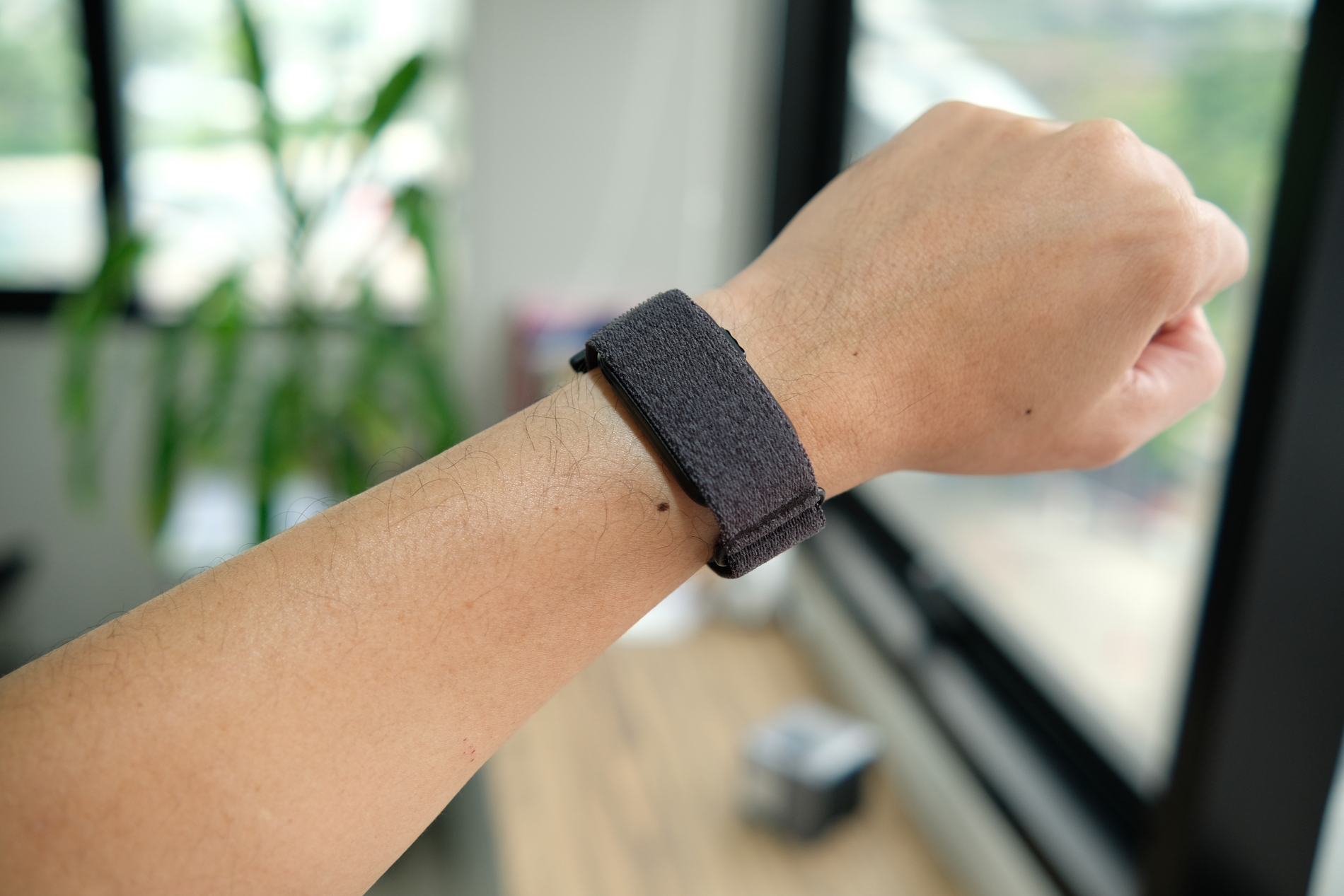
Garmin CIRQA is much lighter than an analog smartwatch. The sensor module weighs just 14.8 grams, while the complete wrist setup weighs about 21 grams, depending on the band size.
The fabric strap is also a good choice for a device designed to stay on your wrist day and night. But lightweight does not necessarily mean tiny.
The sensor housing is fairly long and chunky on the wrist. This is one of the loudest criticisms I’ve heard of CIRQA. Users find the sensor housing too bulky, especially those who have slimmer wrists.
I also think the darker bands make the hardware look cleaner. With lighter straps, the black sensor module stands out more.
One feature I do like is the option to wear CIRQA on the upper arm with an optional armband. That is useful during workouts and also makes the module less noticeable.
Garmin gives you a lot of health data
This is where CIRQA starts to feel like a proper Garmin device rather than a basic smart band. It continuously monitors heart rate and can track things such as:
- Body Battery
- Stress
- HRV status
- Sleep and sleep score
- Respiration
- Pulse Ox
- Skin temperature
- Training Readiness
- Training Status
- VO2 max
- Recovery time
Garmin CIRQA also tracks steps, calories, naps, and other everyday activity data.
There is a lot here, considering that there is no display.
I particularly like CIRQA as a sleep and recovery tracker. A large smartwatch can be uncomfortable in bed, while a fabric band is easier to leave on overnight. Garmin then combines the overnight measurements with HRV, stress, sleep, and activity information to update metrics such as Body Battery and Training Readiness.
Heart-rate tracking is good, but not perfect
For normal daily use, walking, exercising, cycling, CIRQA’s heart-rate monitor appears to be accurate. The weak point appears when heart rate changes very quickly.
In interval-running testing, CIRQA sometimes lags behind rapid increases in heart rate when worn on the wrist, but provides much better results when moved to the upper arm.
So I would not buy CIRQA specifically as a replacement for a heart-rate tracking strap. For general fitness and 24/7 health tracking, its optical sensor does the job well. For very precise heart-rate monitoring for athletes, I would still prefer a dedicated heart-rate strap.
Workout tracking is better than I expected
One thing Garmin gets right is the physical button.
I can assign a favorite activity and start it directly from the band rather than reaching for my phone. That sounds like a small feature, but it makes much more sense after using a screenless tracker.
Garmin CIRQA can track more than 80 activity types, and it can also automatically detect activities. However, I trust auto-detection less.
For anything I actually care about recording, I would rather press the button and know that tracking has started.
Another limitation is worth knowing about. CIRQA does not have built-in GPS. For outdoor jogging, walks, and rides, it uses connected GPS from your phone. That works, but it means carrying your phone if you want a GPS route and more useful distance data.
Again, this is why CIRQA feels more like a health tracker than a dedicated sports watch.
Battery life is one of its strongest features
Credit: Shutterstock
Garmin claims CIRQA lasts up to 10 days between charges. That claim seems realistic based on my long-term testing. Features such as Pulse Ox and frequent workout recording can reduce this number.
Even so, CIRQA lasts long enough that charging does not become part of the daily routine. That matters for a device whose main job is collecting continuous health and sleep data. Every night it spends on a charger is a night of missing information.
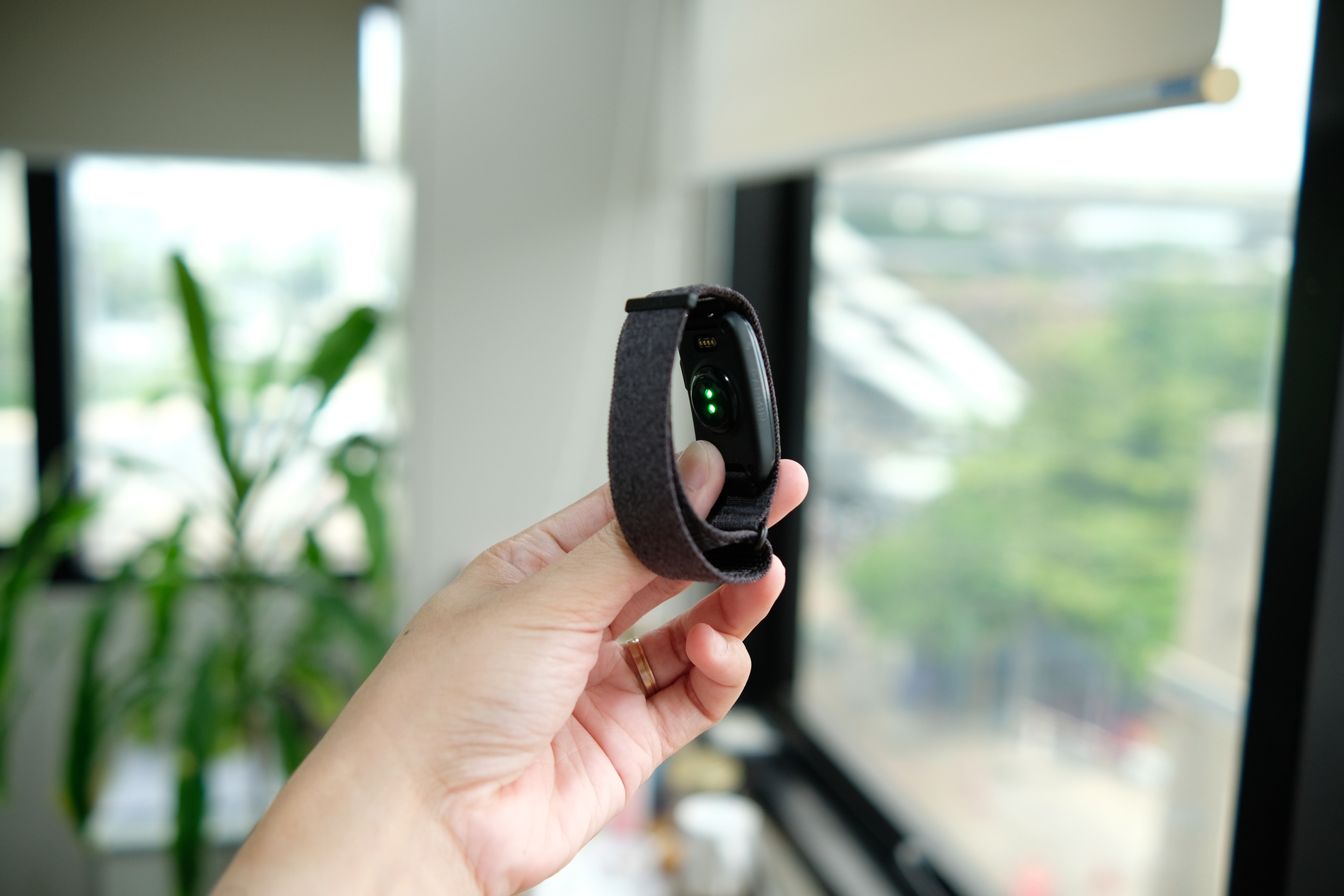
The only thing I do not like is Garmin’s proprietary charging connector. USB-C charging would make travel easier.
Garmin Connect is both a strength and a weakness
CIRQA collects a lot of information, but nearly all of the useful interaction happens inside Garmin Connect.
For existing Garmin users, that is probably a good thing. Your sleep, training, heart rate, recovery, and activity information already lives in the same ecosystem.
For someone buying their first Garmin product, the experience can feel more complicated.
Garmin Connect gives you a huge amount of information, but presenting data clearly isn’t the same as collecting lots of it.
This is one area where competitors such as Whoop have an advantage. Whoop has built much of its experience around turning recovery, strain, and sleep information into a simple daily story. Garmin often gives me more raw information, but it expects me to understand more of it myself.
I am glad Garmin does not require a subscription
This is probably CIRQA’s biggest advantage over Whoop.
The band costs $199.99, and Garmin does not require a Garmin Connect+ subscription to access its core health, sleep, and training functions.
Garmin does offer Connect+ for additional features, but I don’t consider it necessary to use CIRQA properly.
For a product designed to be worn for years, I prefer buying the hardware and knowing the basic functionality isn’t tied to an ongoing membership.
At $199.99, however, CIRQA isn’t cheap. You are paying a lot for a fitness tracker with no display and no built-in GPS. The value becomes clearer if you already use Garmin products and want continuous Garmin data without wearing a Garmin watch all day.
If you only want steps, basic sleep tracking, and heart rate, CIRQA may be more tracker than you need.
Should you buy the Garmin CIRQA?
After 30 days, I think CIRQA makes much more sense to me than it did when I first looked at the product.
But it is also quite specific about who it is for. It is less convincing as a complete replacement for a Garmin sports watch. There is no display, no onboard GPS, and no way to check live workout information directly on the band. Runners, cyclists, and other athletes may still want a Garmin watch during training and use CIRQA during the rest of the day and while sleeping.
That, to me, is the best way to understand CIRQA.