


























Credit: Shutterstock
A cancer treatment that can cost more than a house may be getting cheaper.
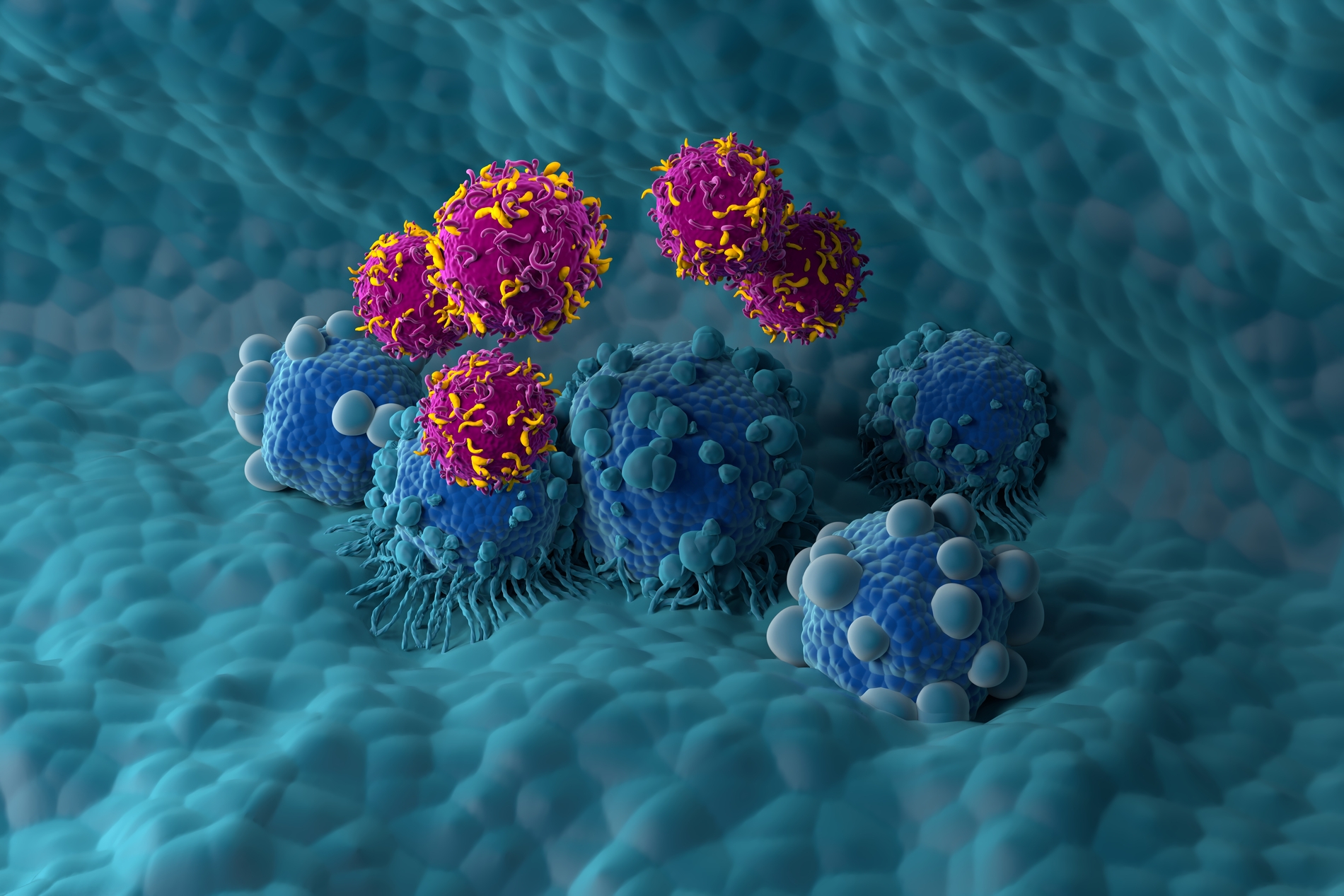
CAR T-cell therapy is one of the most striking achievements in modern oncology. It re-engineers a patient’s own immune cells against certain blood cancers, and in many people who had run out of options, it produces long remissions. But this therapy is very expensive and available only in wealthy countries.
Recently, researchers shared a possible solution. They used a 3D printer to make a gel shaped like a lymph node, and it helped grow CAR T-cells (cancer-fighting cells) faster and cheaper.
Why CAR-T stays out of reach for most patients
Credit: Shutterstock
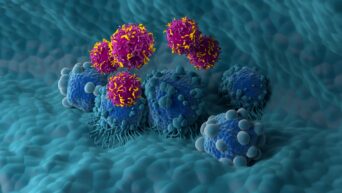
Making CAR T-cells is laborious and varies from patient to patient. Doctors extract a patient’s T cells from their blood, then genetically reprogram them so they recognize and destroy cancer cells. In the standard method, the cells are mixed with tiny beads that switch on their multiplication, along with a harmless virus that ferries in the genetic code for the chimeric antigen receptor. This surface protein lets the cells home in on a tumor.
Generally, only about 30 to 70% of the T cells are successfully reprogrammed. The higher the success rate, the better the outcome. Then the cells are grown for a few weeks and put back into the body.
Two big problems make this tough.
First, it is slow. The whole process takes about a month. Some patients are so ill that they get worse and miss their chance during that wait.
Second, it is expensive. One round can cost more than $370000. At that price, it is realistically only available in richer countries.
There is also a hidden weak spot. The cells are usually grown on flat plastic, like a lab dish. But in the body, T cells naturally grow inside lymph nodes, which are soft and lumpy, not flat. That difference matters.
What the researchers did
Credit: Shutterstock
The latest advancement comes from Judit Guasch Camell, who publishes as Judith Guasch, and her colleagues at the Materials Science Institute of Barcelona in Spain. She presented the work at the Biophysical Immunoengineering conference at the Royal Society in London in May 2026.
Their core insight is simple to state and hard to execute. Instead of activating T cells against featureless plastic, give them a scaffold that physically resembles the inside of a lymph node. In this soft, porous, three-dimensional mesh, T cells normally switch on and divide.
Earlier research suggests T cells actually sense the physical properties of the lymph node, and those tactile cues help them activate, multiply, and take up new genetic material more efficiently. Flat plastic provides almost none of that, which holds back both proliferation and the uptake of the CAR code.
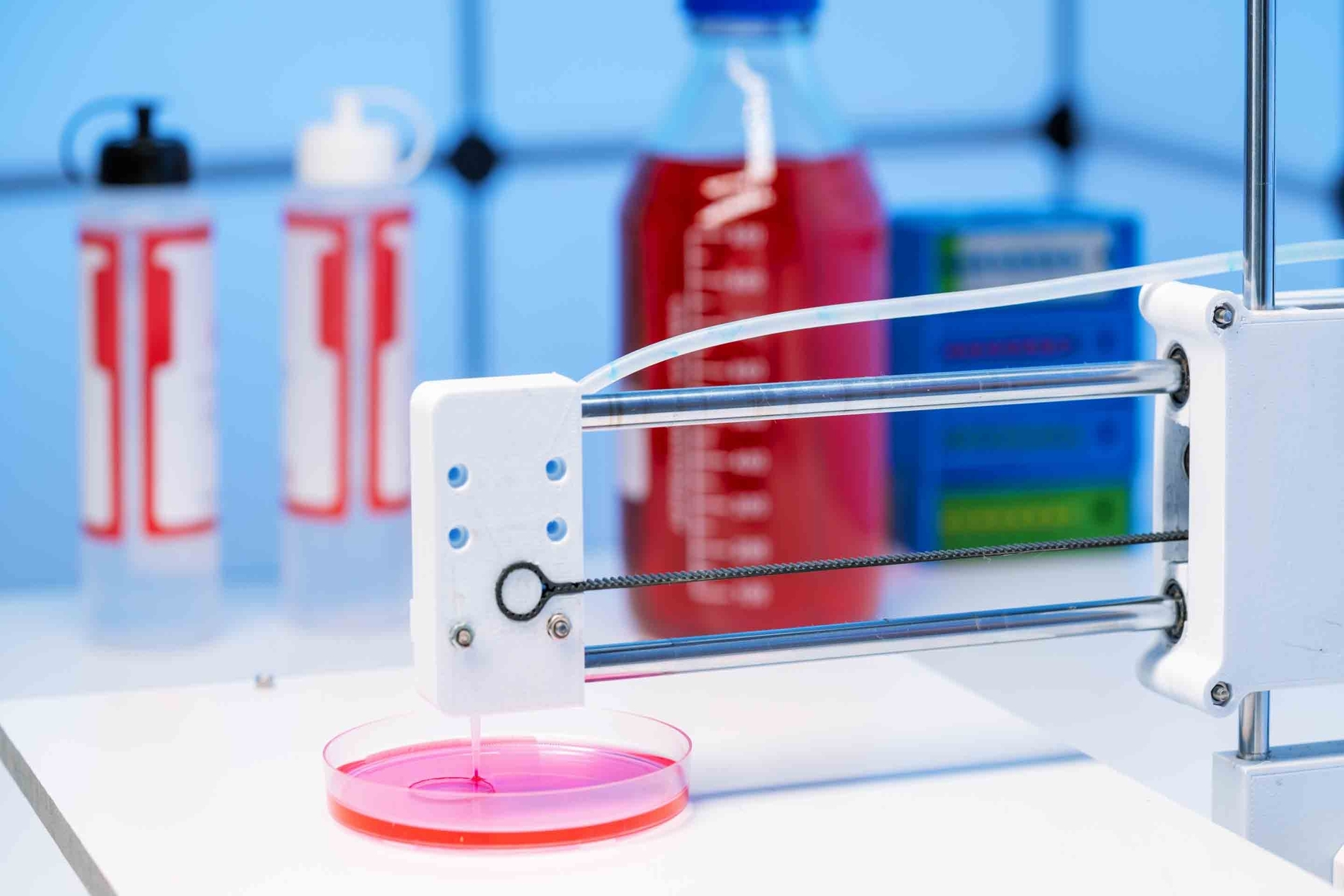
To put the idea to the test, the team 3D-printed a gel into structures matching the texture and arrangement of human lymph nodes. They then added human T cells, a virus carrying a cancer-specific CAR, and the activating beads to these printed structures. As a head-to-head comparison, they ran the identical mix in ordinary plastic dishes.
The results
Credit: Shutterstock
After five days, the difference was clear.
In the plastic dish, about half the T cells had successfully become CAR T-cells. In the printed gel, about 75% had. The cells in the gel also grew about twice as fast.
Both effects point in the same direction as access. A higher conversion rate suggests the method could cut the amount of extremely expensive reagent, especially the engineering virus, needed to produce a usable batch, a point Coe has highlighted. Faster growth could trim labor costs and, just as importantly, shorten the wait so that more patients are still well enough to be treated.
These numbers also match the team’s earlier published studies, which makes the new result more believable. In work published in 2024 and 2025, they showed that the same lymph-node gels could boost cell growth and could be made by 3D printing.
Why printing it is the key
A gel that works in a small dish is not the same as something a hospital can use to treat real patients. The point of printing the scaffold, rather than hand-casting it, is to produce larger, better-structured pieces with the internal architecture that lets a full dose of cells grow evenly. The goal is to make a gel that is usable for the machines hospitals already have. If a hospital can grow its own cells this way, faster and more cheaply, the treatment gets easier to offer.
A crowded and fast-moving field
Barcelona is not working alone, and the lymph-node-mimicry idea has been pursued from several angles.
A team at Zhejiang University in China built a different lymph-node-inspired scaffold from the biodegradable polymer PLGA, decorated with the T-cell activating signals anti-CD3 and anti-CD28 plus cytokines. Reported in National Science Review in 2024, their device drove roughly a 50-fold expansion of CAR-T cells in the dish and about a 15-fold expansion inside an implanted tumor model, aimed especially at the stubborn problem of solid tumors.
The same broad community also explored freeze-dried, or lyophilized, lymph nodes turned into porous sponges to deliver CAR-T cells, described in Nature Materials in 2024. More recent entries include reticular-network-like porous microspheres reported in the Journal of Materials Chemistry B in 2025, and bio-functional hydrogel-coated membranes from a University of Delaware group aimed at reducing T-cell exhaustion during manufacturing.
The common thread is the same realization. The environment in which you grow a therapeutic cell shapes what that cell becomes, so engineering a better environment can mean a better, cheaper product.
A few honest cautions
It is worth staying grounded here.
The May 2026 result was shared at a conference, not yet published as a full, fully reviewed study. The improvements were measured in the lab, not yet proven in patients. And cost is complicated, so a cheaper growing step alone will not fix the whole price tag, which also includes hospital care.
Other ideas are pushing on the same problem too, like off-the-shelf cells from donors, faster manufacturing, and cheaper production hubs in places like India and Brazil. The printed lymph node is one promising tool, not a magic fix.
What to watch next
The signals that would turn this from interesting to important are fairly specific. Watch for the work to appear as a full peer-reviewed publication, for printed-gel systems validated inside the standard clinical-grade bioreactors hospitals use, for studies that follow the manufactured cells all the way through to function and persistence rather than stopping at conversion and growth numbers, and for the first early-phase clinical work that folds a printed-scaffold expansion step into a real patient workflow.
If those steps come together, printing tiny artificial immune organs could do something genuinely meaningful, taking one of medicine’s most powerful and most exclusive therapies and slowly opening the door to far more of the people who need it.