






















Credit: Shutterstock
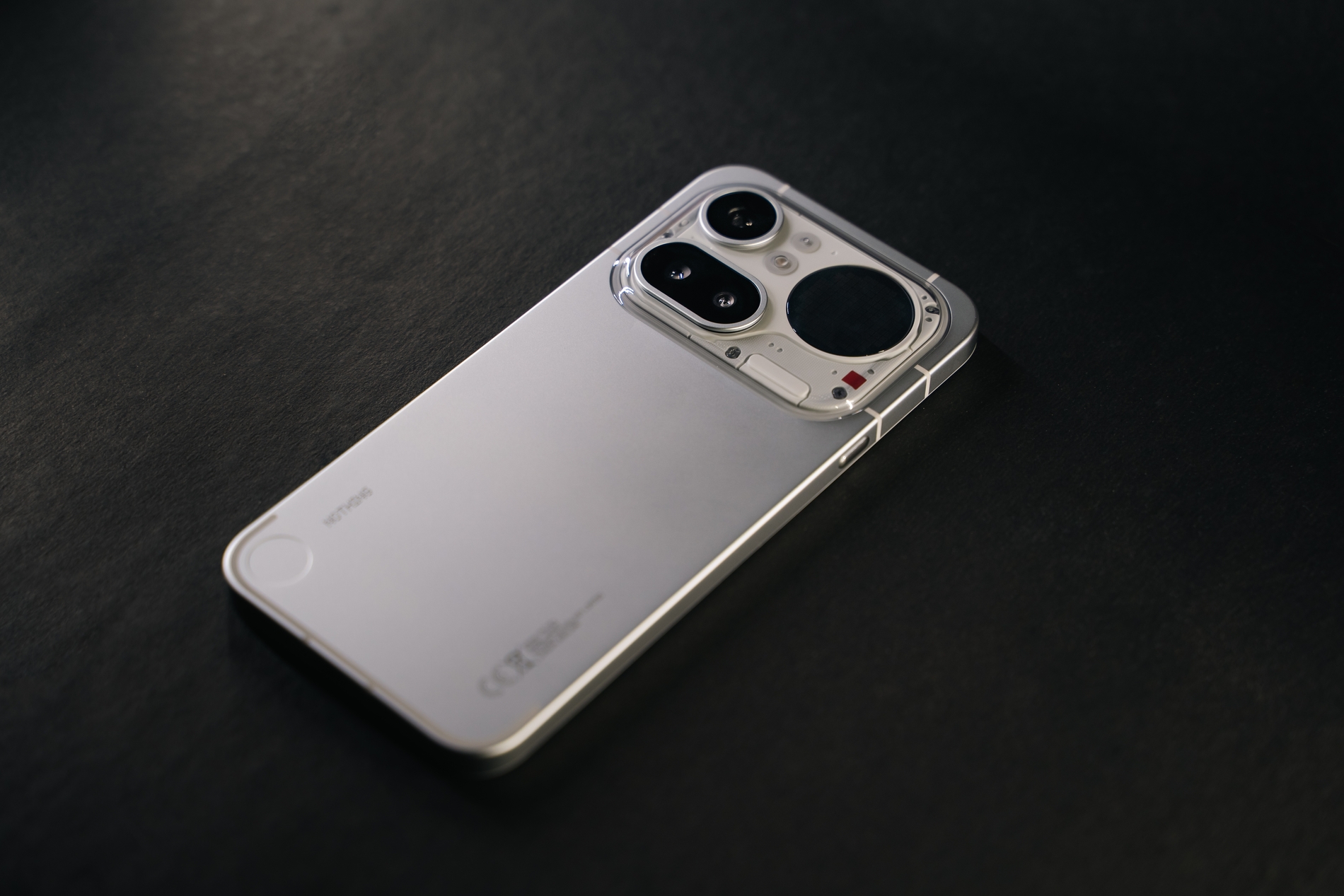
Nothing Phone (4a) Pro is stunning on the outside but complicated on the inside.
I’ve been using the Nothing Phone (4a) Pro as my daily driver for the past several weeks, and it’s genuinely one of the most interesting phones in the $500 bracket right now. Let me break down why.
Quick Specs
| Price | $499 (8GB/128GB) |
| Display | 6.83″ AMOLED, 144Hz |
| Chip | Snapdragon 7 Gen 4 |
| RAM / Storage | 8GB / 128GB (base) |
| Main Camera | 50MP Sony, OIS |
| Telephoto | 50MP, 3.5x optical |
| Battery | 5,080mAh, 50W wired |
| OS | Android 16, Nothing OS 4.1 |
| Build | Aluminum unibody, IP65 |
| Updates | 3 OS / 6yr security |
Design and Build is Where Nothing Earns Its Paycheck
This phone is gorgeous.
Credit: Shutterstock
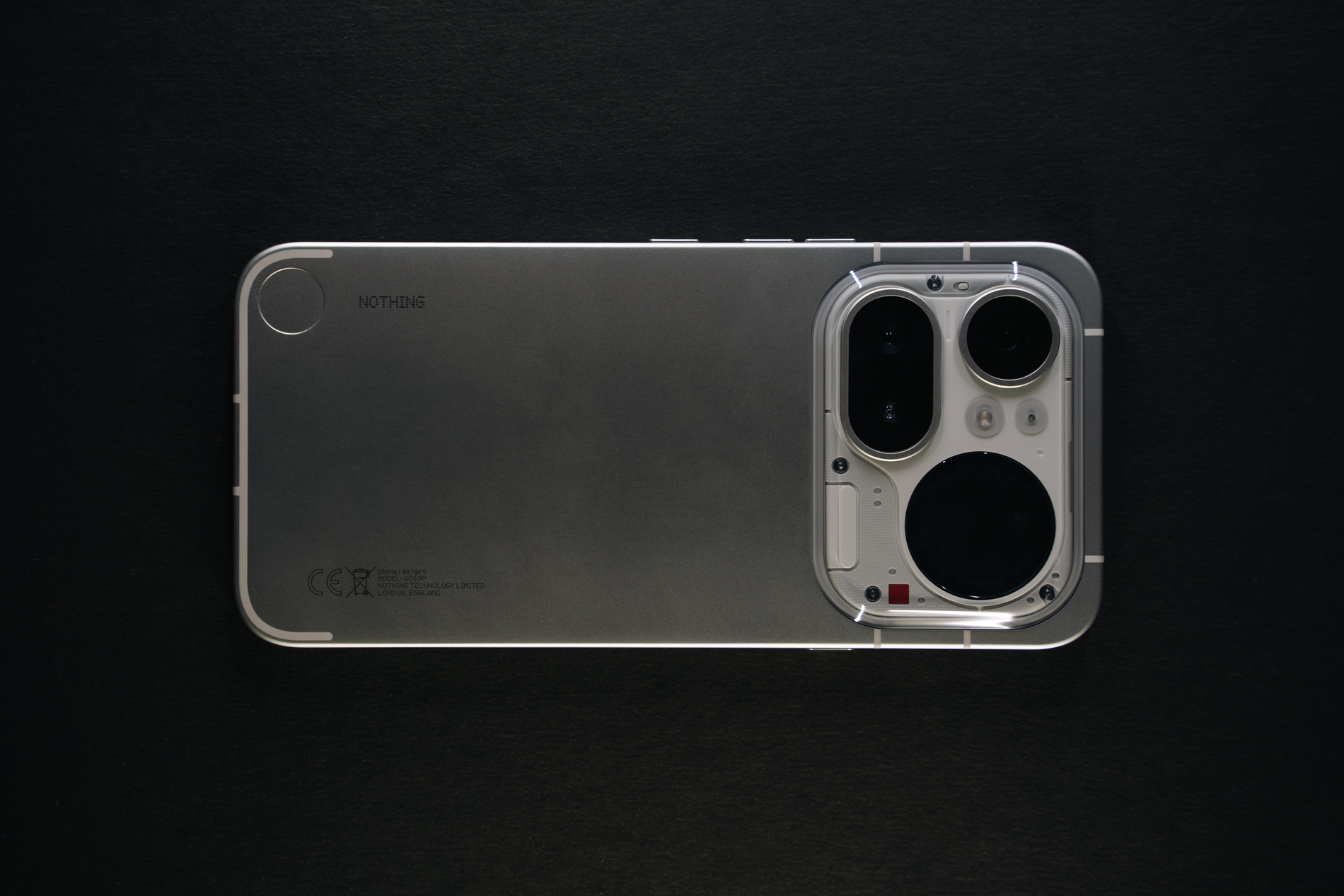
The Nothing Phone (4a) Pro uses an aircraft-grade aluminum unibody, a gift at this price. Nothing claims it is 42% more bend-resistant than the Nothing Phone (3a). The aluminum back and frame give the phone a dead-simple, matte-metal premium finish.
At just 7.95mm thick, Nothing claims this is the thinnest unibody aluminum phone on the market right now. At 210g, it’s not feather-light, but the weight is well distributed.
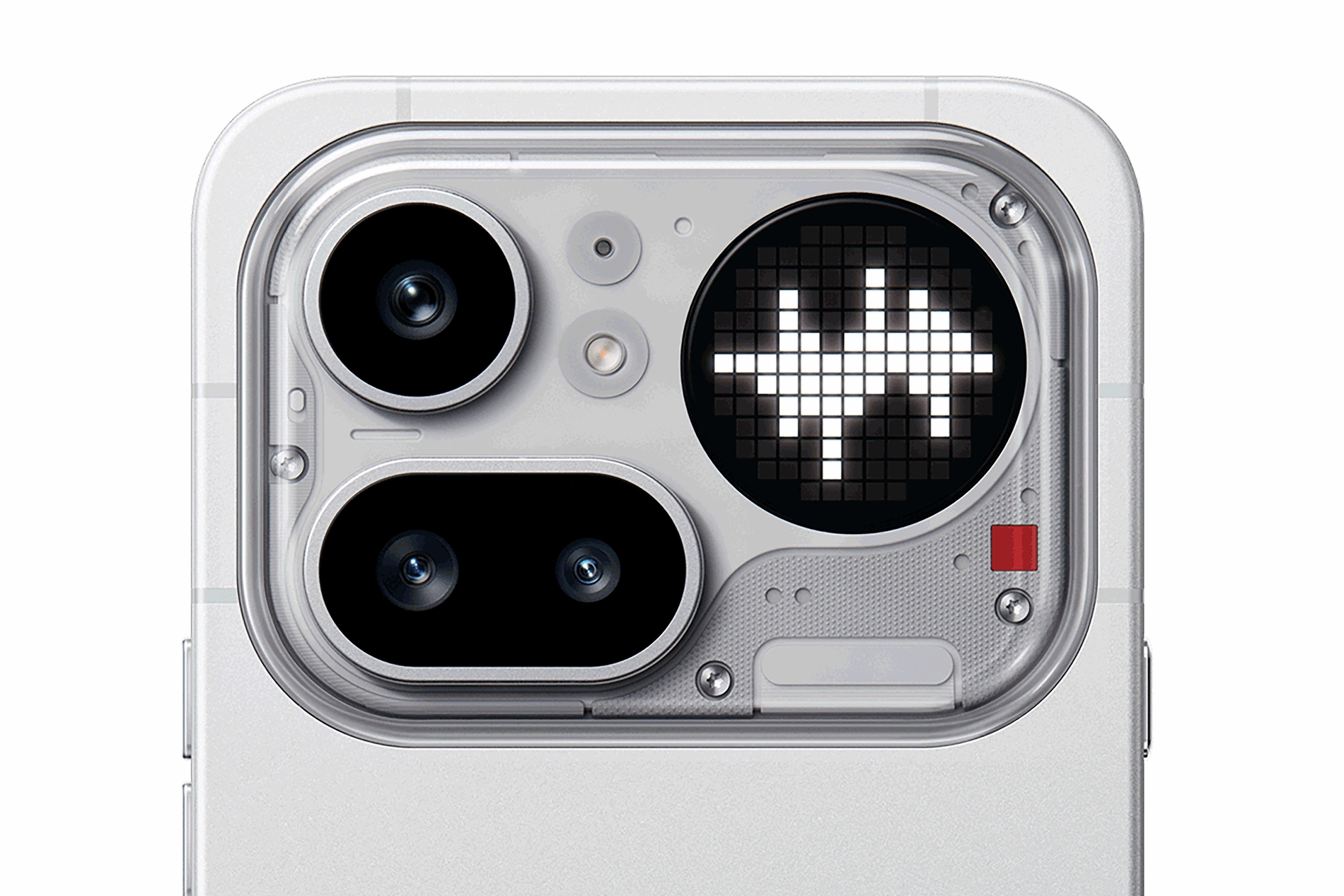
The Glyph Matrix on the back is the real eye-catcher. It features 137 individually controlled mini-LEDs in a dot-matrix pattern, which is 57% larger and 2x brighter than the Nothing Phone (3). It works as a notification light, volume indicator, timer, and even a live camera viewfinder for rear selfies. It’s not just a gimmick.
Credit: Shutterstock
It has an IP65 rating, which protects against dust and low-pressure water jets, but it’s noticeably behind the IP68 standard that many competitors at this price now offer.
Colors available are Black, Silver, and Pink. The Silver looks best.
Display: One of the Best Screens at $500
The 6.83-inch AMOLED panel supports up to 144Hz with a resolution of 1260×2800 pixels (440ppi), 10-bit color, 2160Hz PWM dimming, and HDR10+.
In lab testing, auto brightness peaks at around 1,557 nits, which is plenty comfortable outdoors. At minimum, it drops to just 1.9 nits, making late-night use easy on the eyes.
The phone has Widevine L1 certification, so apps like Netflix stream content in full HD. Dolby Vision is absent, but HDR10+ content still looks great.
The 144Hz only works when scrolling and using certain apps. Most apps top out at 120Hz during interaction, and the display drops back to 60Hz when idle. Gaming support for high refresh rates depends on whether the title is explicitly optimized for it.
Performance: Good Enough, Not Great
The Snapdragon 7 Gen 4 inside the (4a) Pro is meaningfully different from the regular Snapdragon 7s Gen 4 in the standard (4a). The GPU, Adreno 722, delivers roughly double the raw graphics performance of the Adreno 810 in the lower model, with a rating of around 1,177 GFLOPS versus 589 GFLOPS. Gamers may better understand what I am trying to say.
AnTuTu v10 scores 1,133,279, and Geekbench 6 returns 1,334 single-core and 4,170 multi-core. That puts it comfortably ahead of the Galaxy A56, but well behind phones like the Samsung Galaxy S25 FE or the Poco X8 Pro Max at similar prices.
For day-to-day tasks, social media, streaming, and casual gaming, this chip handles everything fine. For graphically demanding games or heavy multitasking, you might notice limits.
The thermal performance is genuinely impressive, though. Nothing uses a 5,300 mm² vapor chamber, the largest it has used in any of its phones. During gaming, the chip lost almost no performance, and the phone’s surface never got hotter than lukewarm.
Software: Nothing OS 4.1 is Genuinely Good
The Nothing Phone (4a) Pro runs Nothing OS 4.1, based on Android 16. The OS stays close to stock Android in functionality but has a very distinct visual identity built around Nothing’s signature dot-matrix typography and monochrome icon pack.
New features include a Relaxation hub with breathing widgets, an AI Eraser for removing objects from photos in the Gallery app, deep ChatGPT integration at the system level (you can invoke it directly from the screenshot interface), and a Wallpaper Studio to generate AI wallpapers from keywords.
The Essential Key on the left side triggers Essential Space, an AI-powered hub for organizing tasks, voice memos, and screenshots.
Unfortunately, Nothing’s software support commitment is limited to three major OS updates and 6 years of security patches. Starting on Android 16, you’d land on Android 19 before the update train stops. Compared to Samsung and Google now offering five to seven years of OS updates at this price point, it’s a big gap.
Battery Life: An Actual Strength
The 5,080mAh battery on the global model is a modest bump over the previous generation. It has given me almost 14 hours of screen time on a single charge.
Charging is a different story. The 50W wired charging gets you to 39% in 15 minutes, 68% in 30 minutes, and a full charge in just over an hour. That’s fine, but rivals like the OnePlus Nord 5 or Poco X7 Pro fill significantly faster with 80-90W chargers. And there is no wireless charging whatsoever.
One more thing. You will not get a charger in the box. Nothing recommends a 50W USB Power Delivery charger, but you have to buy it separately.
Camera: Great in Good Light, Inconsistent Elsewhere
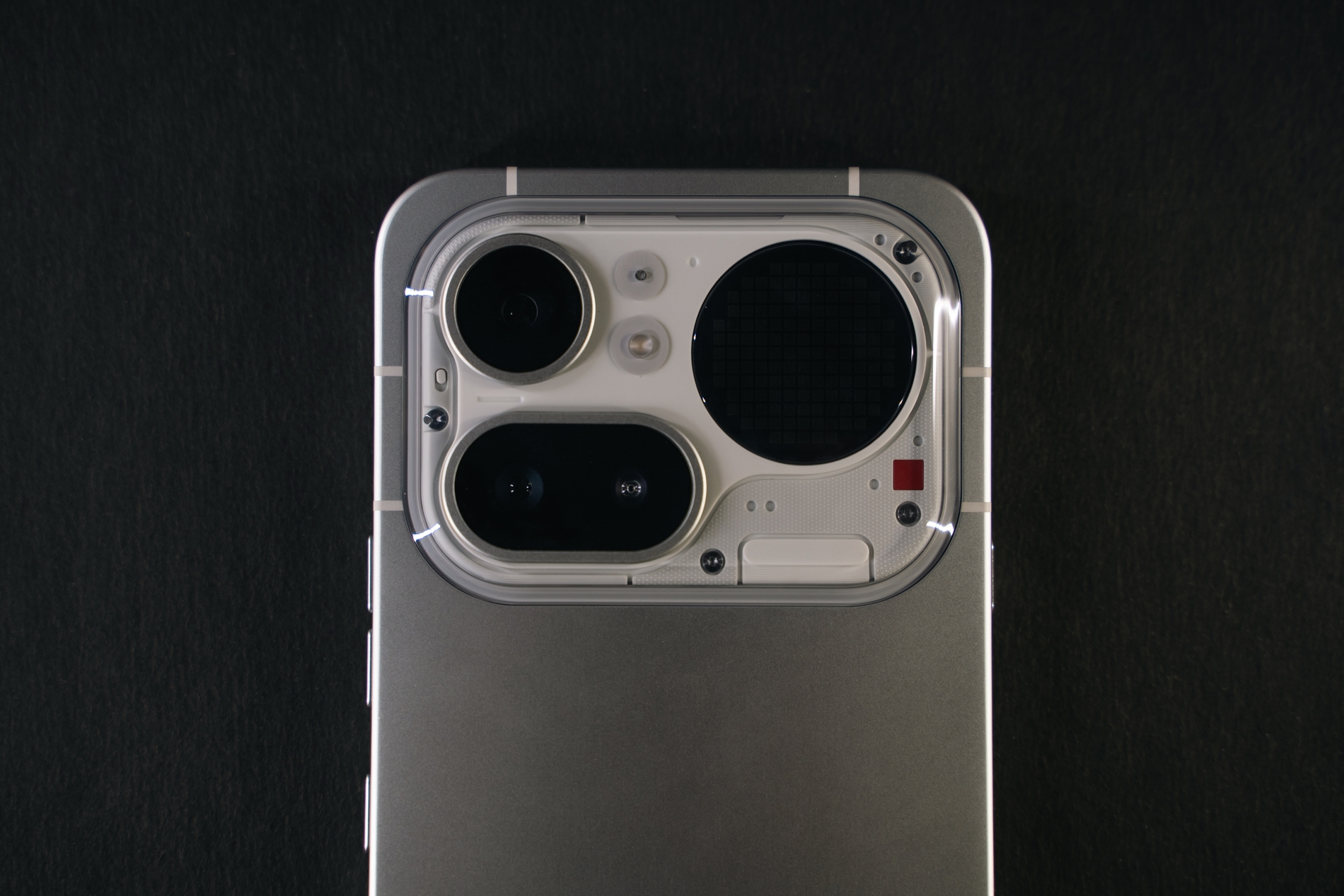
The camera setup is where things get genuinely complicated.
Credit: Shutterstock
The main camera uses a 50MP Sony IMX 896 sensor (1/1.56″ size, f/1.9 aperture) with OIS and PDAF. The telephoto is a 50MP Samsung ISOCELL JN5 with a 3.5x optical zoom (80mm equivalent) and OIS. The ultrawide is an 8MP Sony sensor at 15mm.
- Main camera: In daylight, it’s very good. Photos come out clean with excellent dynamic range and pleasing skin tones. Low-light performance is also better than the standard (4a), with well-developed shadow detail and accurate colors.
- Telephoto: At 3.5x, shots are sharp and detailed in daylight with great color accuracy. The 7x digital zoom shots are also surprisingly good. In low light, the telephoto gets soft and occasionally develops a slightly warm tint.
- The 2x zoom problem: 2x zoom photos have an inconsistent, slightly dreamy quality, as if they’re not quite in focus. Some shots look great, while others don’t, making it unpredictable.
- Ultrawide: It’s an 8MP fixed-focus sensor, which feels old at $500. Surprisingly, though, it’s sharper than expected in both daylight and low light, and better than the standard (4a)’s ultrawide despite being the same hardware.
The phone maxes out at 4K@30 fps for video recording on both the main and telephoto cameras. There is no 4K@60fps support at all. Video footage at 4K is noticeably softer than still photos, and walking stabilization is inconsistent. I’m disappointed.
Should You Buy It?
Buy it if you want a phone that looks and feels unlike anything else at $500. Or you mostly shoot photos in good lighting and don’t care deeply about video. Skip it if you need the longest possible software support, you’re a video person, or you rely on wireless charging.