







Credit: Shutterstock
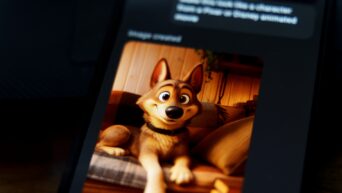
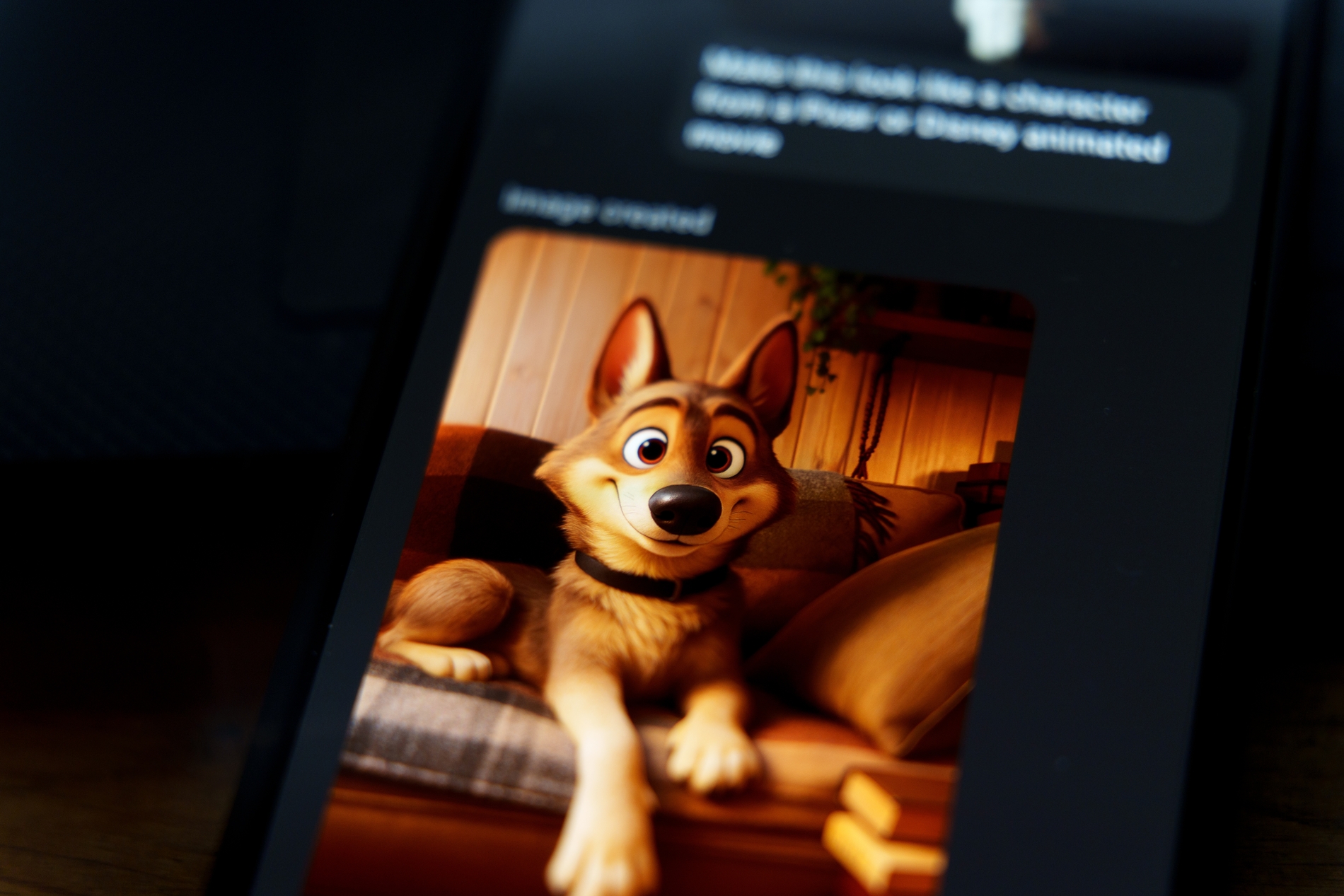
ChatGPT can now turn a text prompt or a photo into an animated GIF.
OpenAI has launched ChatGPT Images 2.6, introducing native GIF creation, reusable reference images and faster image generation. The update was announced on Wednesday, November 4, and OpenAI says Images 2.6 is available in ChatGPT and Codex across the web, desktop and mobile, with support for all subscription tiers.
Alongside the update, OpenAI introduced two new image-generation models for developers, GPT-Image-2.6 Flare and GPT-Image-2.6 Sunburst, which bring several new capabilities to its Image API.
The most notable addition is the ability to create animated GIFs directly in ChatGPT. Users can describe a scene, upload a photograph or provide a sketch, and the chatbot turns it into a looping animation. In one demonstration, OpenAI showed a dancing cat generated from a simple text prompt. Once the GIF is ready, users can adjust its playback speed, edit individual frames and share the finished animation.
Images, upgraded—introducing ChatGPT Images 2.6.
Now with GIFs and reference images.
Plus, two new models are coming to the API with 50% faster image generation. pic.twitter.com/kcuOhTipYR
— OpenAI (@OpenAI) November 4, 2026
However, GIF creation is rolling out gradually, and OpenAI has not given a date for when every account will have it. OpenAI also hasn’t said how long ChatGPT GIFs can be, how many frames they can contain, or how many each subscription plan can create.
Another major addition is support for reusable reference images. Users can save and tag images of people, pets and characters, then refer to them in future prompts without uploading the same photographs again. OpenAI says the feature is designed to keep characters, products and brand elements looking consistent across different images.
For developers, the release introduces two models with different priorities. GPT-Image-2.6 Flare (gpt-image-2.6-flare) is designed for speed and rapid experimentation, and OpenAI says it can generate an image in as little as six seconds at low quality. GPT-Image-2.6 Sunburst (gpt-image-2.6-sunburst) focuses on higher-quality output and is designed to keep details consistent across successive edits at medium and high quality.
OpenAI says both models generate images 50% faster than before. Both models also bring new features to the API:
- Image markup lets developers mark the specific area of an image they want to change.
- SVG export produces scalable vector graphics.
- A new complexity setting controls how much planning the model does before it generates an image.
- The Image API can output GIFs.
The new models also come with some limitations at launch. According to developer coverage of OpenAI’s documentation:
- Neither model supports the Batch API.
- Neither model supports the Responses API.
- Neither model has a dated snapshot, which developers use to pin an application to a specific model version.
OpenAI lists image output for both models at $30 per million tokens, matching the per-token rate of the 2.5 models. However, the cost of each image can still differ, because it depends on how many tokens the model uses. In one comparison, a medium-quality image used 1,136 output tokens on 2.6 compared with 344 tokens on 2.5. This is an individual user’s measurement, not an official OpenAI figure.
OpenAI also said that users now generate more than 4 billion images every week across ChatGPT and its API, up from more than 3 billion when Images 2.5 launched on September 8. The figures cover all image generation, not only GIFs.
The launch comes about eight months after OpenAI shut down Sora, its standalone AI video application, in March.
OpenAI has also published a system card for Images 2.6 that describes safeguards added for GIF creation. The card says GIFs can carry risks that single images do not, such as sexualized movement and harmful meaning conveyed across frames. OpenAI says it applies safeguards designed to detect and block policy-violating GIFs, and that it blocks some content categories more broadly than in still images to account for implied motion. The card also states a continued commitment to C2PA provenance metadata.