





















Credit: Shutterstock
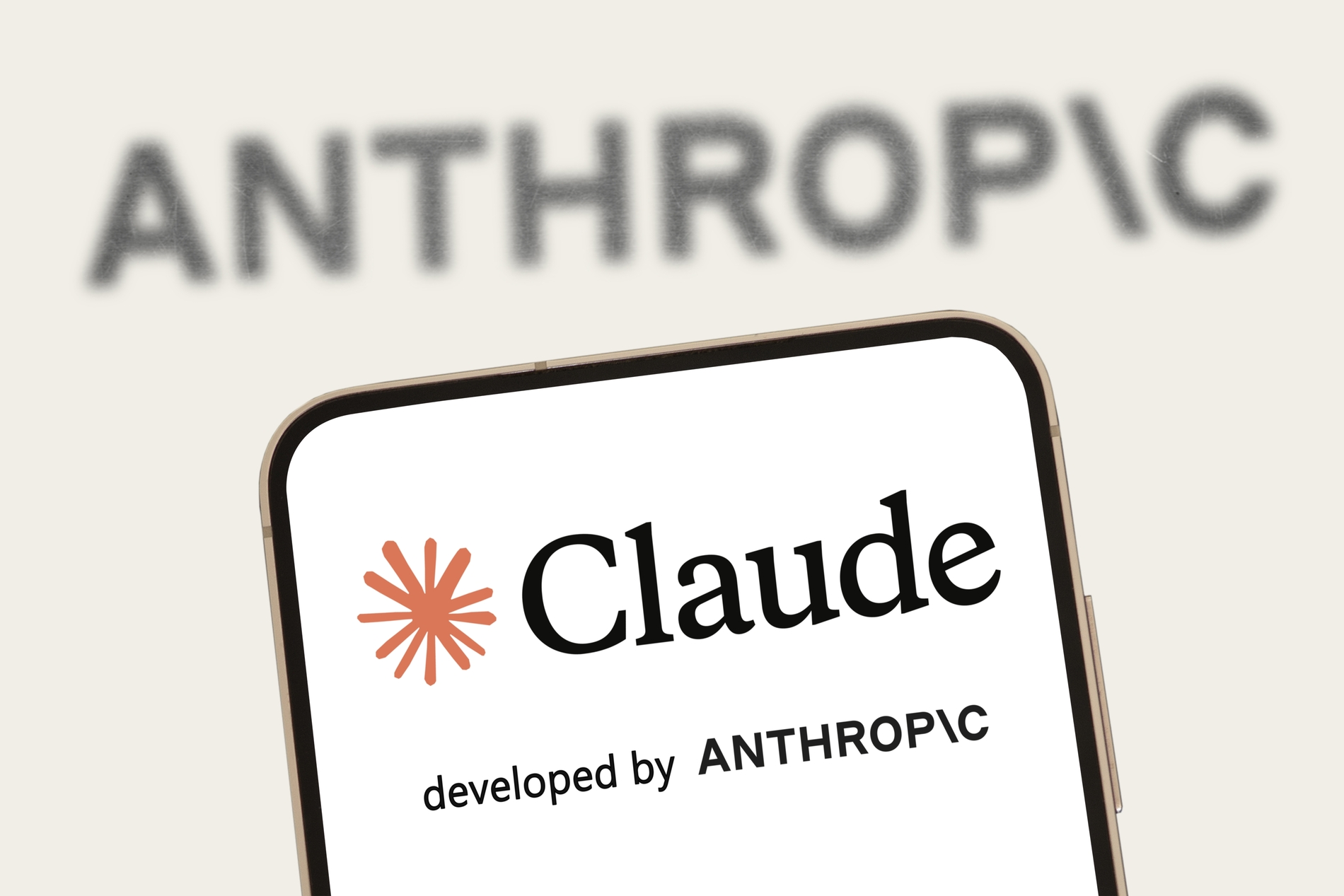
Anthropic is officially embedding invisible, machine-readable watermarks into all text generated by its newest Claude AI models.
On August 11, 2026, Anthropic announced that any Claude model launched on or after August 2, 2026, automatically applies a hidden watermark to its text outputs. The company implemented this change to comply with the transparency requirements outlined in Article 50 of the European Union AI Act.
However, Anthropic chose not to limit this feature to European users. The company is applying these watermarks globally across all its consumer interfaces and developer platforms. Users accessing Claude through the main website, the developer API, Claude Code, Claude Cowork, or Claude Tag will receive watermarked text. The requirement also extends to enterprise partners. Output generated through Amazon Web Services, Google Cloud, and Microsoft Foundry will carry the exact same embedded markers.
How the Technology Works
Unlike traditional metadata attached to a document file, Anthropic’s new text watermark is embedded directly into the text-generation process.
When an AI model generates text, it repeatedly selects the next word from a range of statistically likely options. Anthropic’s approach subtly adjusts those mathematical choices to create a hidden statistical signature throughout the generated text. The pattern is invisible to human readers and, according to Anthropic, does not affect the response’s quality, accuracy, or readability.
Because the watermark is built into the text itself rather than stored as separate file metadata, it can remain intact when users copy and paste AI-generated content into a plain-text document, email, or content management system. Anthropic also says the hidden signature can withstand light to moderate human editing, although extensive rewriting may weaken or remove it.
For generated files such as images, Anthropic is using a completely different tracking method because statistical text watermarking does not apply to visual media. Supported formats, including SVG, PNG, and JPG files, will contain digitally signed provenance metadata based on the Coalition for Content Provenance and Authenticity (C2PA) standard.
This digital label allows users to verify whether Claude processed a particular image and determine whether the file was digitally altered after it was generated. However, this method is less durable than the text watermark. Because the provenance information is stored as file metadata, it can be removed relatively easily by re-saving the image or converting it to another format.
The Limits of Detection
Anthropic clarified that these watermarks do not provide absolute proof of artificial intelligence authorship. A detected watermark indicates that a Claude model processed the text at some point during its creation.
This technical reality creates several important distinctions regarding origin and authorship.
- Human text can be marked: A user might ask Claude to proofread, summarize, or translate original human writing. The resulting text will carry a watermark despite its human origins.
- Artificial text can lose its mark: A user might heavily edit or extensively rewrite marked text after the artificial intelligence generates it. This process can destroy the underlying statistical pattern and render the watermark undetectable.
- Length limits effectiveness: Very short text snippets inherently lack sufficient length to provide a reliable statistical signal for watermark detection.
- Older models remain unmarked: Content generated by older Claude models released before August 2, 2026, will bypass detection entirely because they lack the watermarking capability.
Furthermore, the absence of a watermark does not guarantee that a human wrote the text. Anthropic plans to release technical documentation in the future that will enable third parties to scan for and detect these new watermarks. This open approach will allow educational institutions, publishing platforms, and content moderators to verify whether a body of text originated from a Claude model. Until those tools become widely available, the watermarks will quietly accumulate across the internet as a foundational step toward long-term artificial intelligence accountability.