




























Credit: Shutterstock
Meta is making a big bet on AI smart glasses, but not everyone is excited about it.
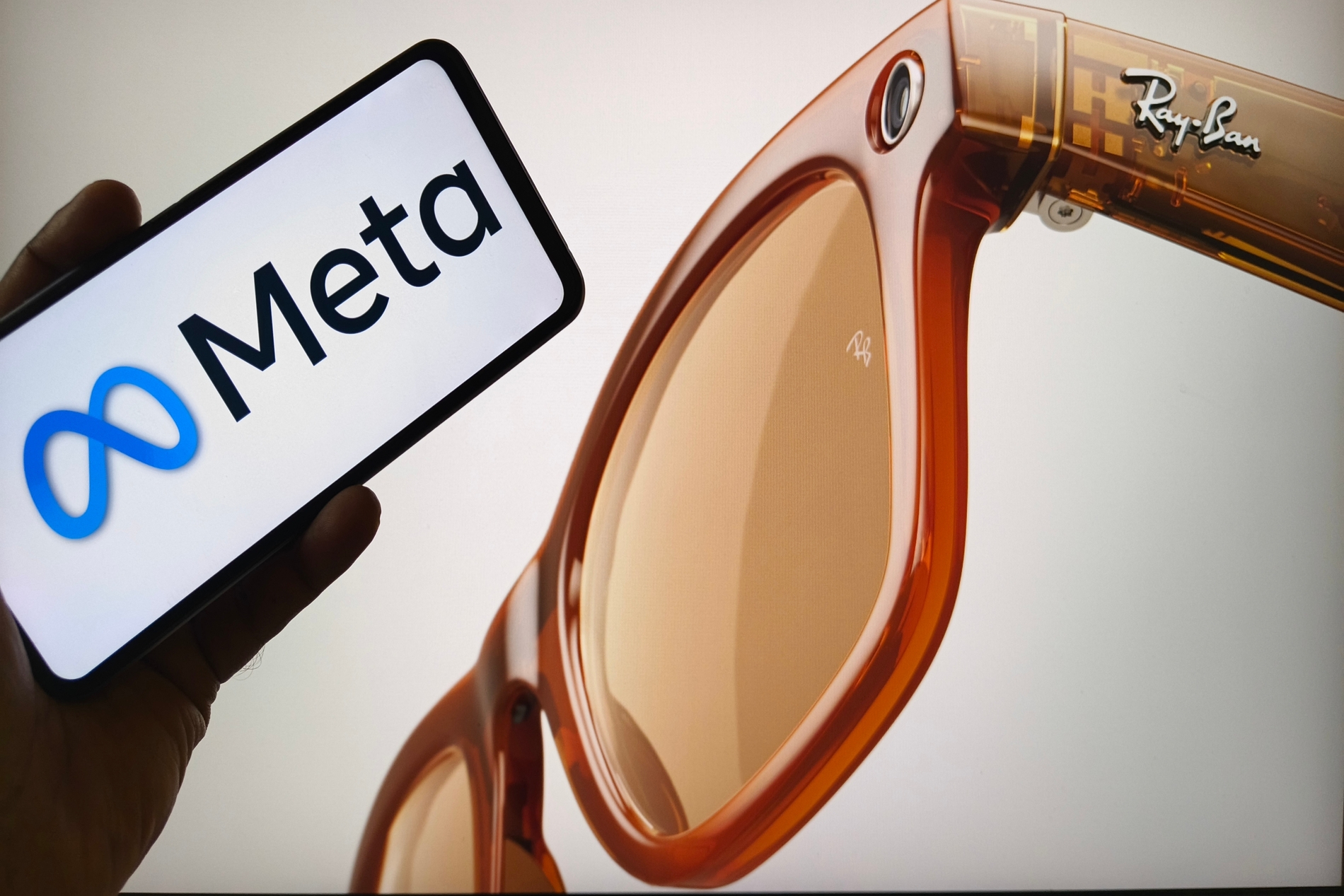
Over the past 2 years, the company has turned smart glasses with built-in cameras and AI features into a growing product category. Ray-Ban Meta glasses have become one of the most popular AI gadgets, and Meta has expanded the lineup with Oakley Meta glasses and a new $300 model.
At the same time, these new devices are raising privacy concerns. Recent announcements from Meta show that while AI smart glasses are becoming more powerful and accessible, many people are still worried about how they collect and use personal data.
A Privacy Fix, Then a Privacy Problem
On July 7, 2026, Meta pushed a mandatory firmware update to its glasses. The update disables the camera if someone tries to remove or cover the small white LED light next to the lens. This light is important because it lets people nearby know when the glasses are recording. Meta also said it will remove posts and ads that encourage people to turn off the LED, ban the accounts sharing those instructions, and take legal action against businesses selling modified glasses.
Just one day later, a report from the Financial Times revealed that Meta is working on a new type of AI smart glasses with an always-on mode. According to the report, these glasses could continuously listen through their microphones and take photos every few seconds to help an AI assistant remember and answer questions about the wearer’s day.
The report also claims the LED recording light would stay off while this feature is active, meaning people nearby would have no sign they were being recorded. Meta has not confirmed these details, and the reported devices, codenamed Aperol and Bellini, are not expected to launch until late 2026 or early 2027.
To address privacy concerns, Meta is reportedly considering a system that doesn’t store the actual photos or audio. Instead, the glasses would extract useful information, known as metadata, and send only that data to Meta’s servers for AI processing. While this could reduce the amount of personal content Meta stores, privacy advocates argue it doesn’t address the biggest concern: people nearby would still not know when the glasses are recording them.
Why This Matters Beyond Meta
The concern is not limited to one company. As AI smart glasses become more common, governments and businesses are starting to set rules for where they can be used. Some cruise lines already ban smart glasses, and New York State plans to prohibit them in all courtrooms.
Recording laws also differ from state to state, which means using glasses that can secretly record people could create legal problems for both Meta and users.
Meta also isn’t the only company developing AI smart glasses. Google is working with Warby Parker on its own smart glasses, Snap plans to launch AR glasses later this year, and Apple is widely expected to enter the market as well.
As more companies compete in this space, Meta’s decisions on recording, privacy, and user consent could shape how the entire AI wearables industry evolves in the years ahead.
What to Watch Next
Meta’s Connect 2026 event in September is expected to reveal more about its future AI smart glasses. The company often uses this event to announce new products and features, and to launch plans.
Until then, there are a few big questions. Will Meta move forward with smart glasses that can record without showing a recording light? Will these new AI features be available on existing Meta glasses via a software update? And how will the company address the growing privacy concerns from users, regulators, and privacy advocates?
Smart glasses are no longer just a niche gadget. They are quickly becoming a new way to interact with AI and technology. As more companies enter the market, the decisions Meta makes today could help shape the future of AI wearables and the privacy standards the industry as a whole follows.