














Credit: Shutterstock
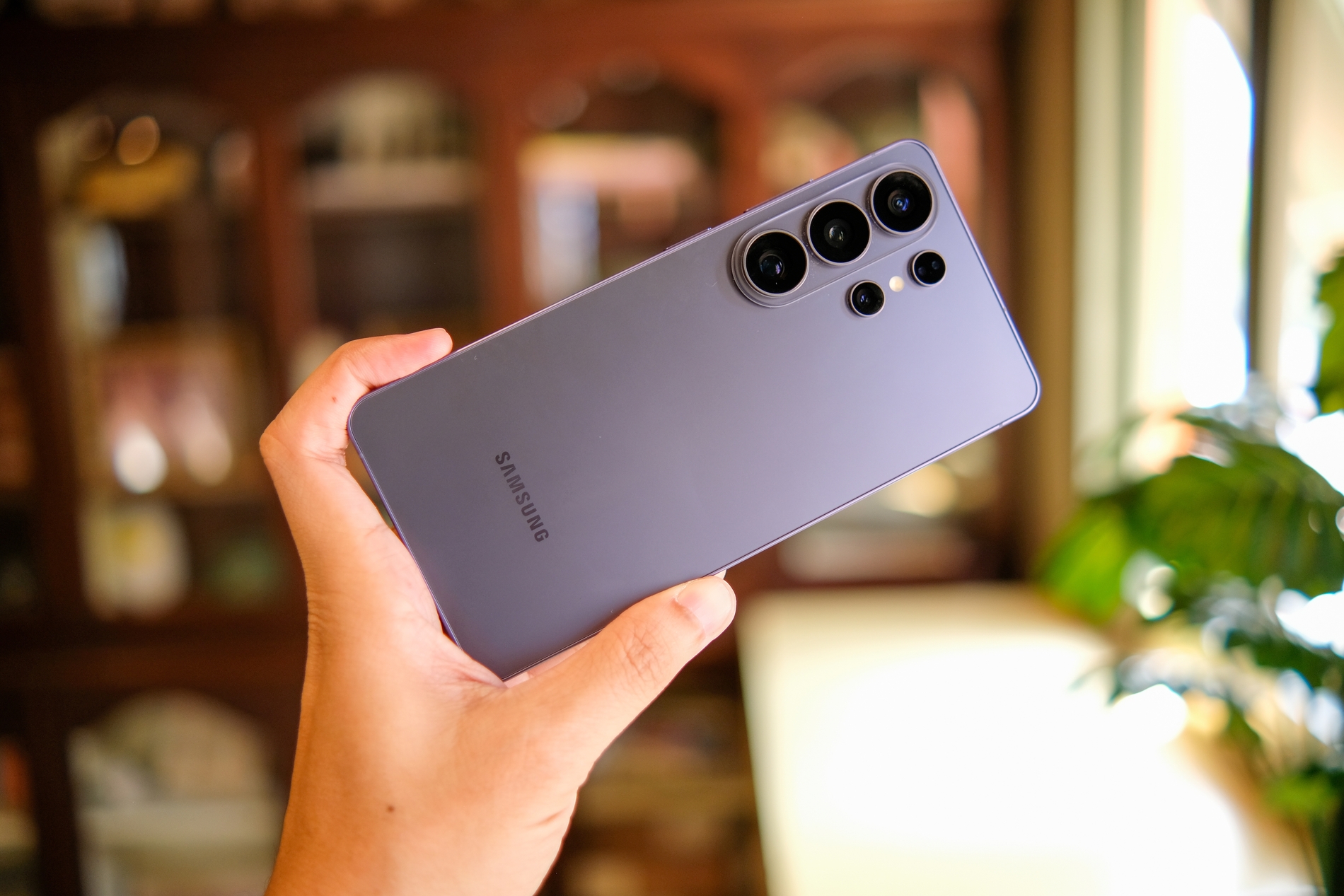
After two weeks of daily use, I can tell you the Samsung Galaxy S26 Ultra is not the revolution you might be hoping for. But it might just be the best phone you can buy right now. Let me explain why.
First Impressions
Pick up the S26 Ultra, and the first thing you notice is how good it feels in the hand. I felt it immediately. Samsung quietly fixed one of my biggest complaints about the S25 Ultra, the sharp edges.
Credit: Shutterstock
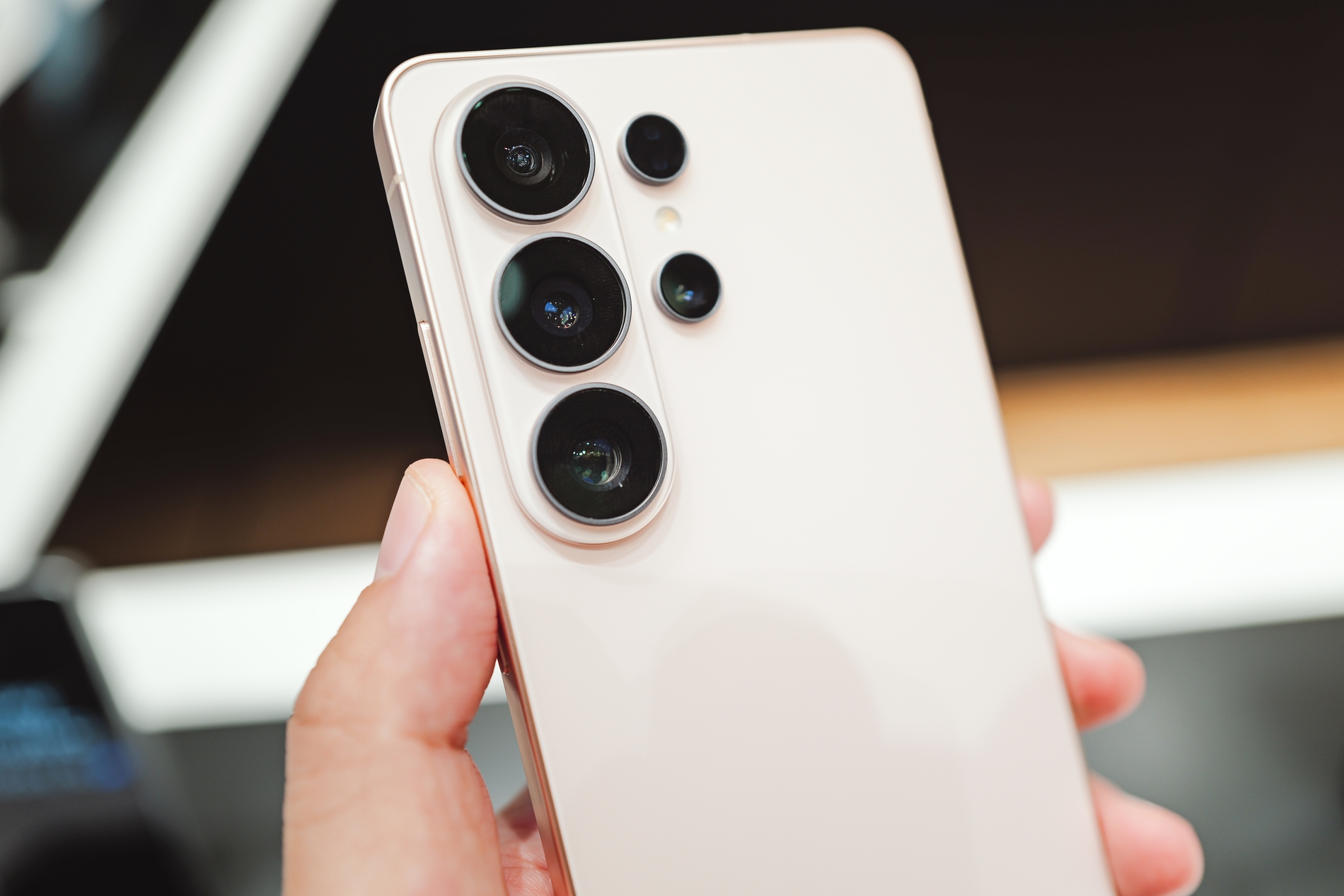
The S26 Ultra is marginally slimmer, lighter, and the corners are more rounded. None of this sounds like an improvement on paper. In real life, after hours of daily use, I can say it genuinely matters.
That said, the overall design? It’s still playing it safe. You get the same monolithic slab Samsung has been refining for three or four generations. It’s not exciting for me anymore.
The phone is made of aluminum this time around, a step back from the titanium used in the S24 and S25 Ultra. I’ll be honest, I didn’t really notice the difference while using it.
Samsung is stuck with IP68 for dust and water resistance even in the S26 Ultra. It’s fine, but when competitors are pushing IP69 and IP69K ratings, it’s hard not to raise an eyebrow. The screen is protected by Corning Gorilla Armor 2, and it’s the same Gorilla Glass Victus 2 on the back.
The Privacy Display Feature
Credit: Shutterstock
Okay. Let’s talk about the star of the show.
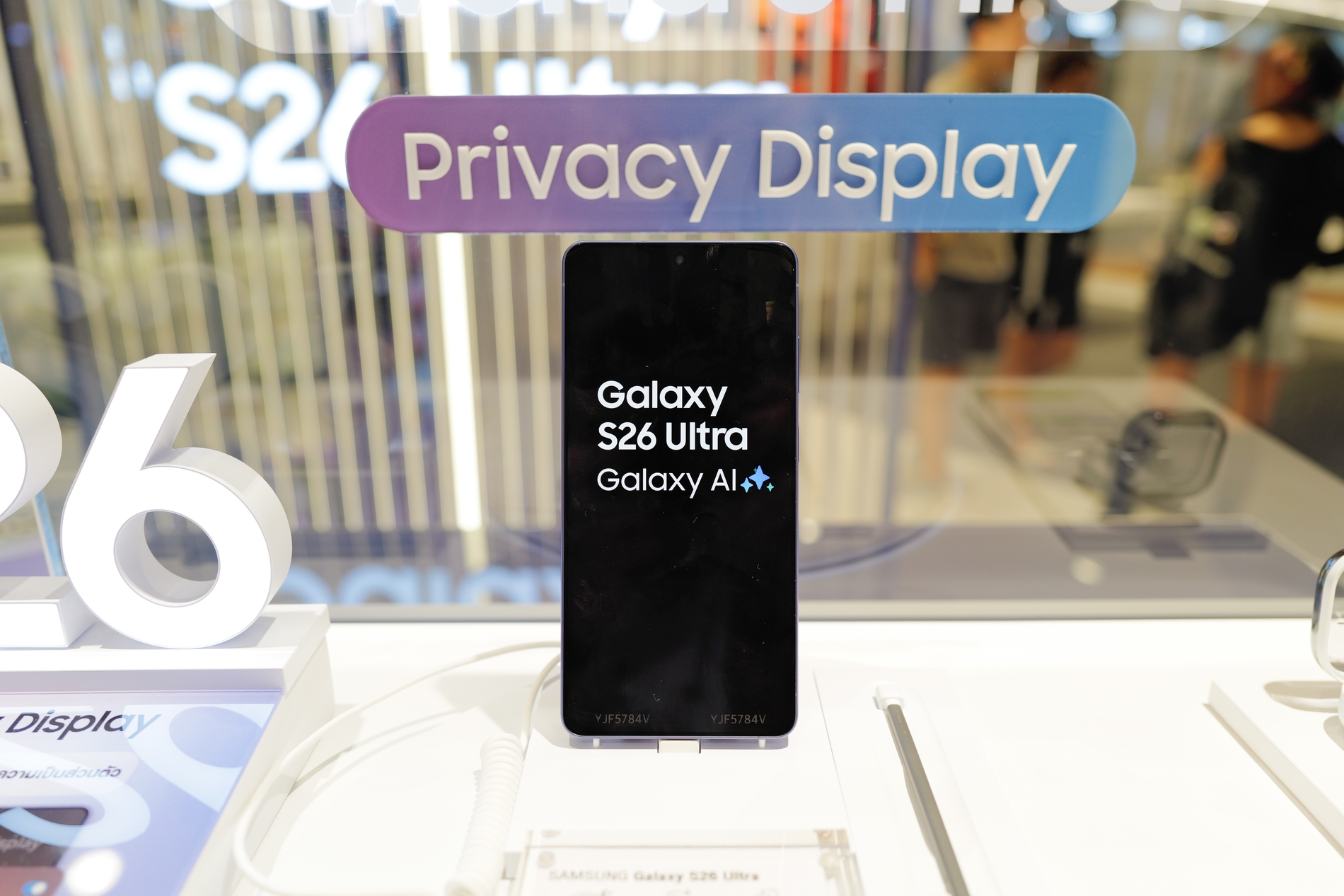
The Privacy Display is one of those features you didn’t know you needed until you try it once, and then you can never go back. It works at the pixel level, dimming the sides of the screen so that anyone not directly in front of it sees nothing essentially. It looks like your phone is switched off. Meanwhile, everything is perfectly visible to you.
I used it on the metro, at airports, and in coffee shops. And the best part is you can set it to activate automatically for specific apps.
No other phone offers this. Not the iPhone. Not the Pixel. Only the S26 Ultra. That alone makes this phone interesting.
The Display is Stunning
Credit: Shutterstock
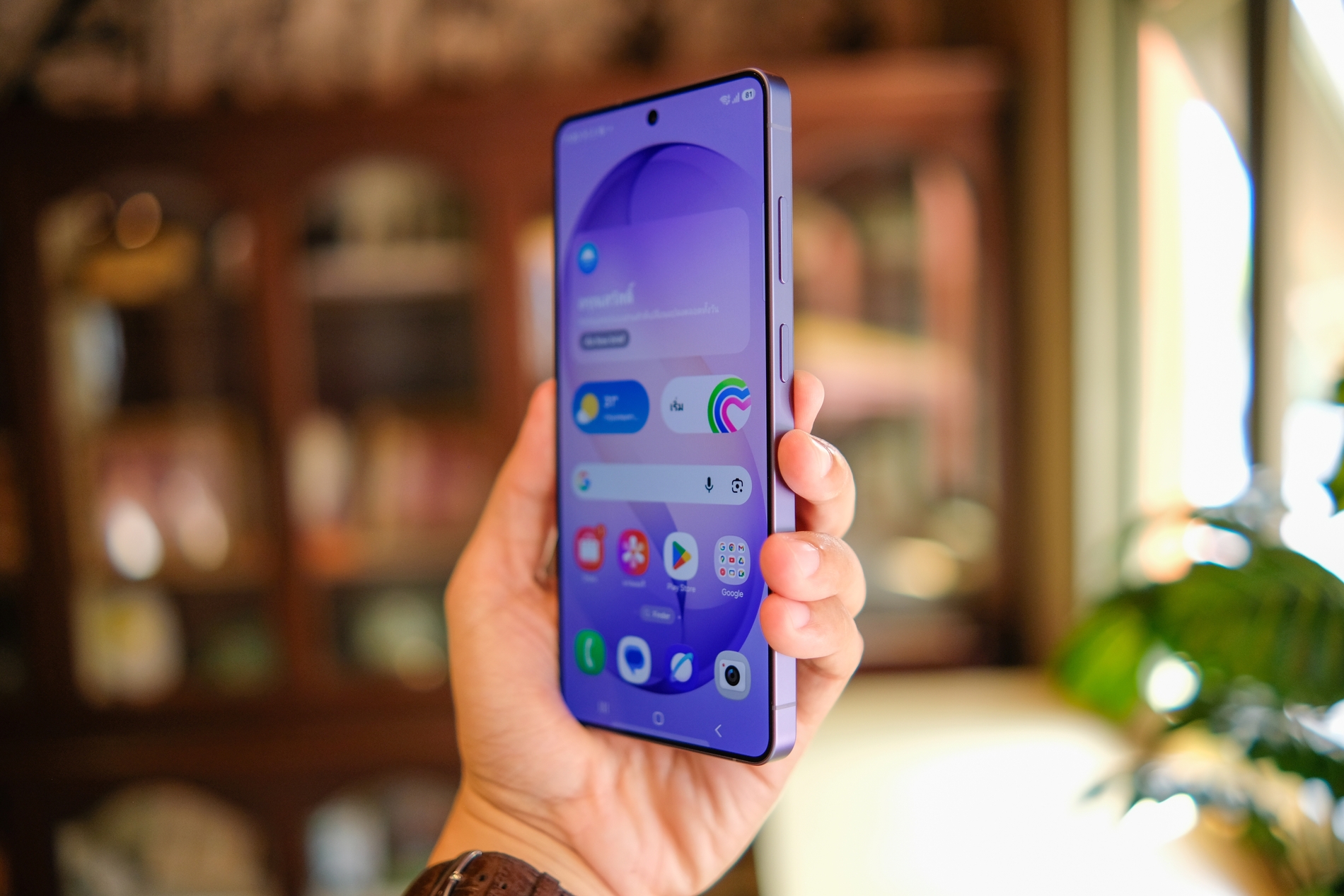
The 6.9-inch Dynamic LTPO AMOLED 2X panel is gorgeous. It offers a 120Hz adaptive refresh rate, HDR10+ support, and peaks at 2600 nits of brightness. Samsung knows how to make a screen, and this one is as good as anything out there.
But there’s a controversy worth addressing honestly.
Before buying it, I’d heard that Samsung used a 10-bit display. But now I know it’s an 8-bit panel using special technology to emulate 10-bit color. 4K HDR on YouTube looked incredible. It seems like whatever Samsung is doing works. But the miscommunication is a trust issue, and that’s fair to be frustrated about.
There are also reports of screen flicker that some users find nauseating, potentially related to the Privacy Display’s pixel manipulation. I personally didn’t experience any issues. But if you’re sensitive to PWM dimming, this is worth knowing before you hand over $1,300.
Cameras Are Very Good but Not Great
Credit: Shutterstock
Here’s where things get a bit complicated.
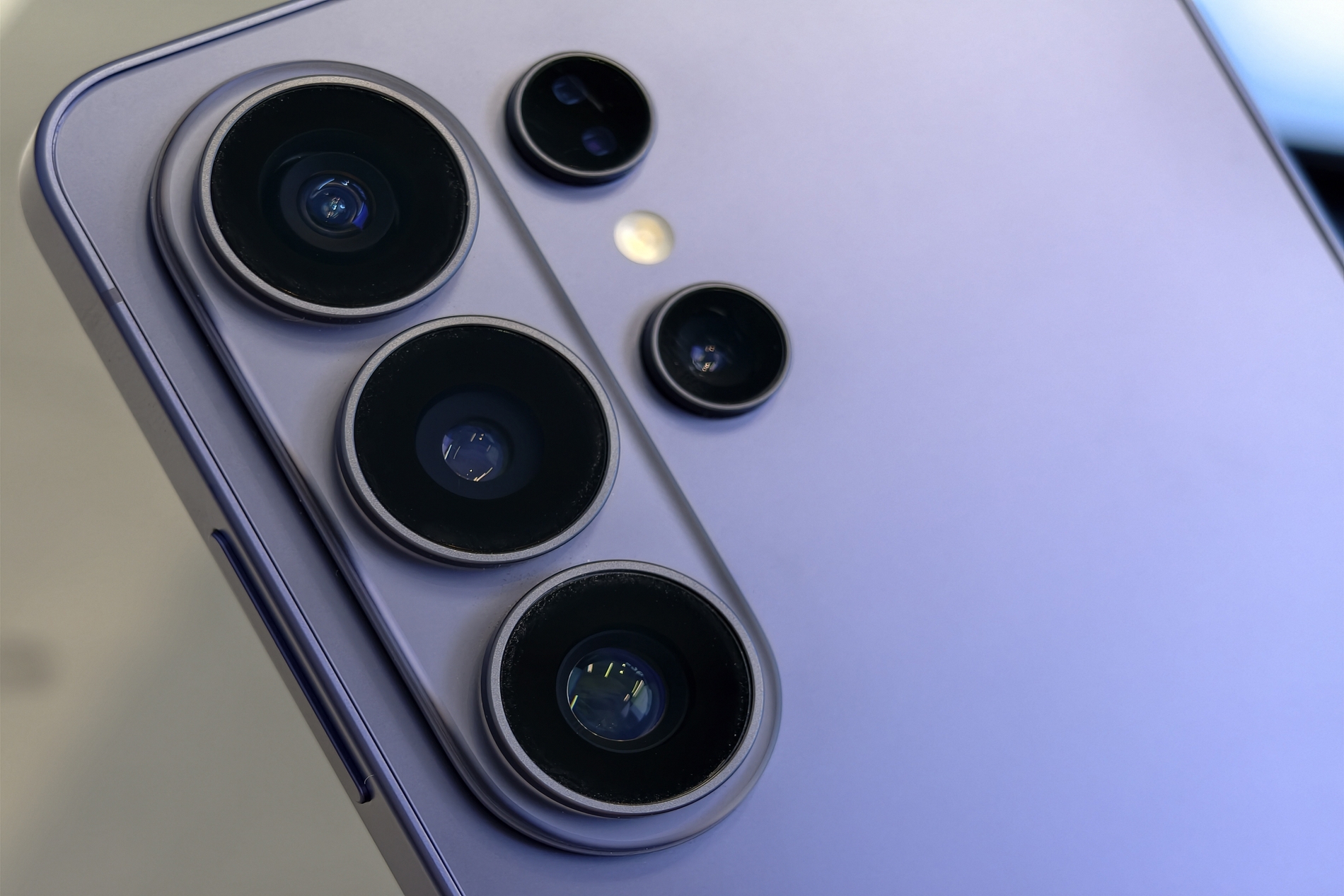
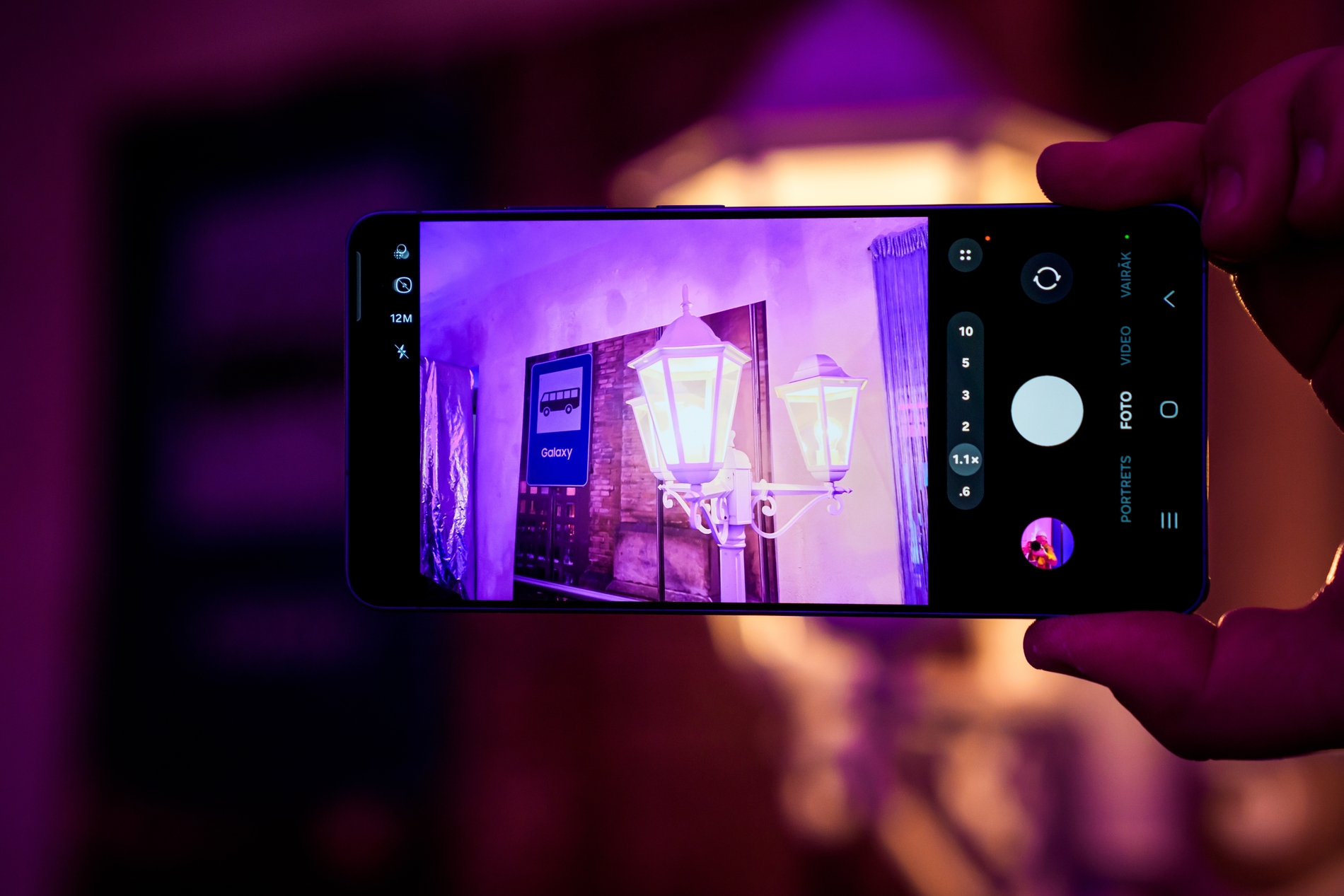
The camera setup has a 200MP primary shooter, a 50MP ultrawide, a 10MP 3x telephoto, and a 50MP periscope lens for 5x zoom. The primary camera and the 5x lens both got wider apertures this year, which means more light and better low-light performance. And in my use, low-light shots do impress.
Credit: Shutterstock
But when I zoom in closely on the photos, I see the software working overtime. It’s invisible on a phone screen or social media post, but shows up when you’re pixel-peeping on a monitor. For most people, this will never matter. But for camera enthusiasts, it’s a genuine disappointment.
The 5x telephoto also gave me headaches with its autofocus. It kept jumping into macro mode unexpectedly, which ruined more than a few shots. I hope Samsung will fix it with the upcoming update.
I also tried the new Horizon Lock feature for video, and it amazingly keeps the horizon level no matter how you rotate the phone. It’s genuinely a lot of fun to play with.
Photo editing via Samsung’s Photo Assist is impressive, too. I removed my annoying friend from the photos in a few clicks. But the core camera hardware hasn’t taken a meaningful leap.
I also have the iPhone 17 Pro Max, which produces better pictures when compared. So if cameras are your primary reason to upgrade, think twice.
Performance: No Complaints Whatsoever
Credit: Shutterstock
It comes with the Snapdragon 8 Elite Gen 5 (an overclocked version of Qualcomm’s flagship chip), paired with 12GB of RAM. It is an absolute powerhouse. Everything runs fluidly fast.
I have seen no overheating issues, which has been a concern with previous Snapdragon chips. I guess Samsung’s redesigned vapor chamber does its job quietly. I played Call of Duty and PUBG on it with the max settings, and I enjoyed it.
Battery Life and Charging Are Just Okay
Credit: Shutterstock
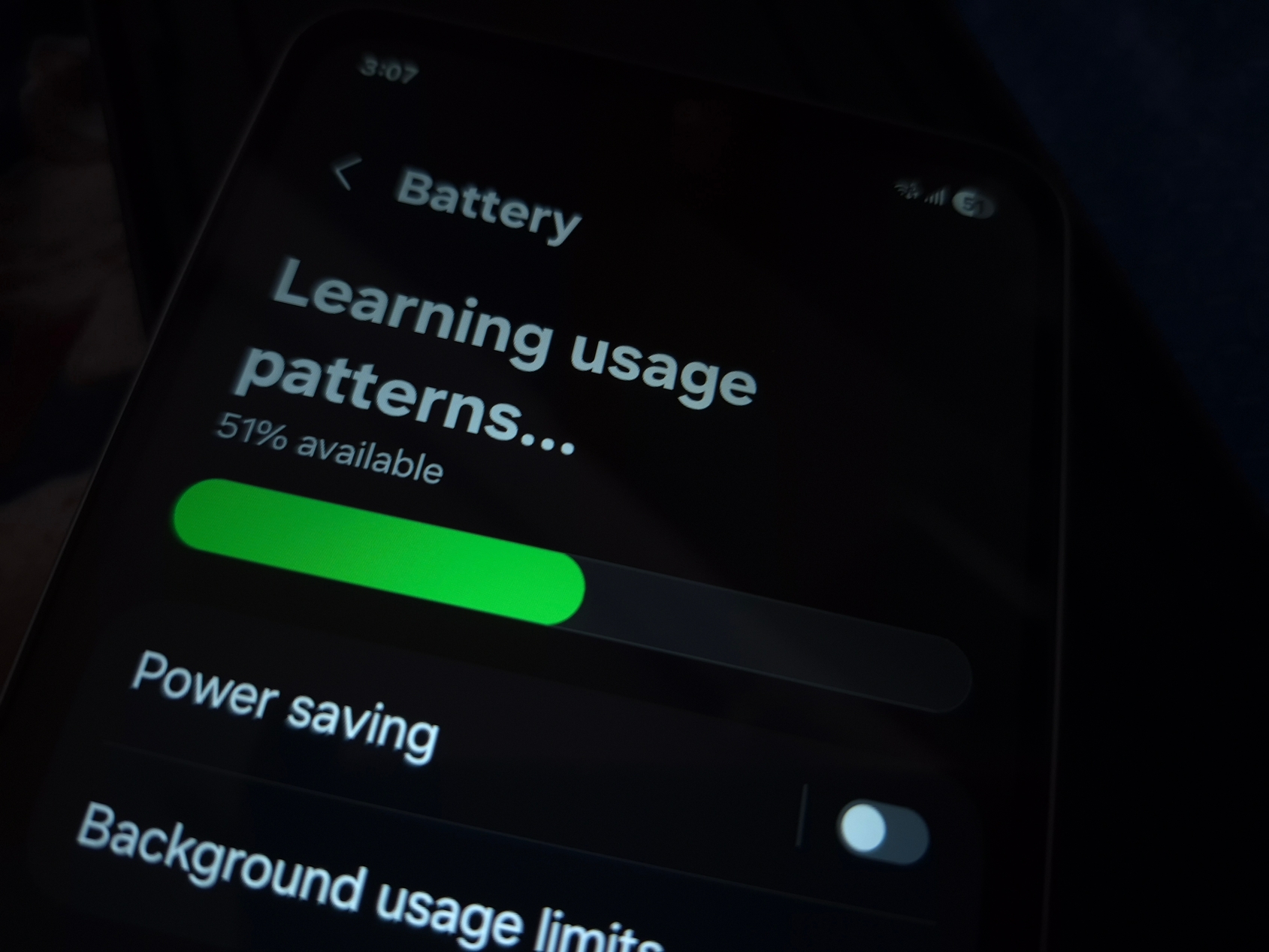
Samsung has used the same 5,000mAh battery as previous Ultra models. No silicon-carbon technology either. Battery life is fine and will get you through a day of moderate use. But under heavy use, I was searching for the charger by evening. That’s not great for a flagship at this price.
The good news is the charging speed. Samsung jumped to 60W wired charging this year, up from 45W. My S26 Ultra goes from 20% to full in under 40 minutes using the Samsung 60W PD adapter.
But you still do not get built-in Qi2 magnets. If you’re coming from an iPhone and you’ve built your life around MagSafe, this is annoying. You have to buy a MagSafe-compatible case on top of paying $1300 for the flagship.
Software and AI: The Ecosystem Is the Selling Point
Credit: Shutterstock
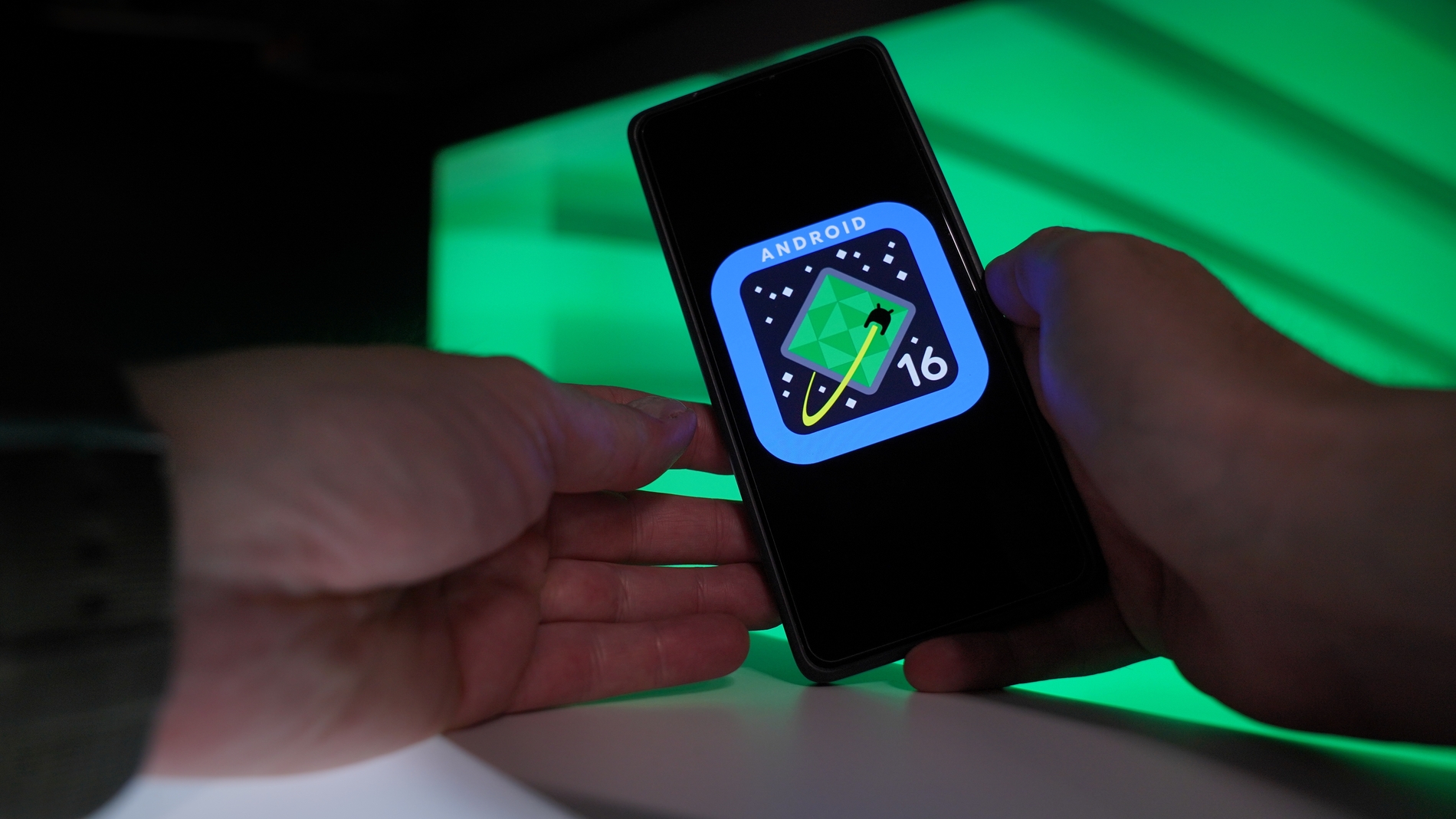
I honestly like One UI 8.5 with Android 16. It is highly customizable. Plus, the seven years of software updates is a serious commitment.
The AI features are a mixed bag for me. Galaxy AI has evolved, Bixby is smarter, and Now Nudge is a genuinely useful addition.
Now Brief, on the other hand, is still mostly forgettable. Despite all the marketing, it mostly shows me the weather and YouTube suggestions. Unless you use a Galaxy wearable, it rarely gets personal enough to be useful.
Samsung nailed it with the ecosystem this time. DeX (desktop mode when connected to a monitor), Samsung Cloud, Galaxy Buds and Watch integration, Secure Folder, cross-device connectivity — it all works well. Even if you’re switching from an iPhone, the ecosystem gap is mostly covered.
Verdict: Should You Buy It?
Here’s my honest take.
If you own an S23, S24, or S25 Ultra, then this isn’t a compelling upgrade. The improvements are good but not astonishing.
If you’re buying your first Samsung S series phone or upgrading from something older, then this is an exceptional phone. The Privacy Display alone is a killer feature. The performance is flawless. The ecosystem is unmatched on Android.
If you’re cross-shopping with the iPhone 17 Pro Max, choose your ecosystem. Both are outstanding devices. The iPhone has more camera consistency and Qi2 support built in. The S26 Ultra has Privacy Display, better zoom, and Android’s flexibility. Neither choice is wrong.