























Credit: Shutterstock
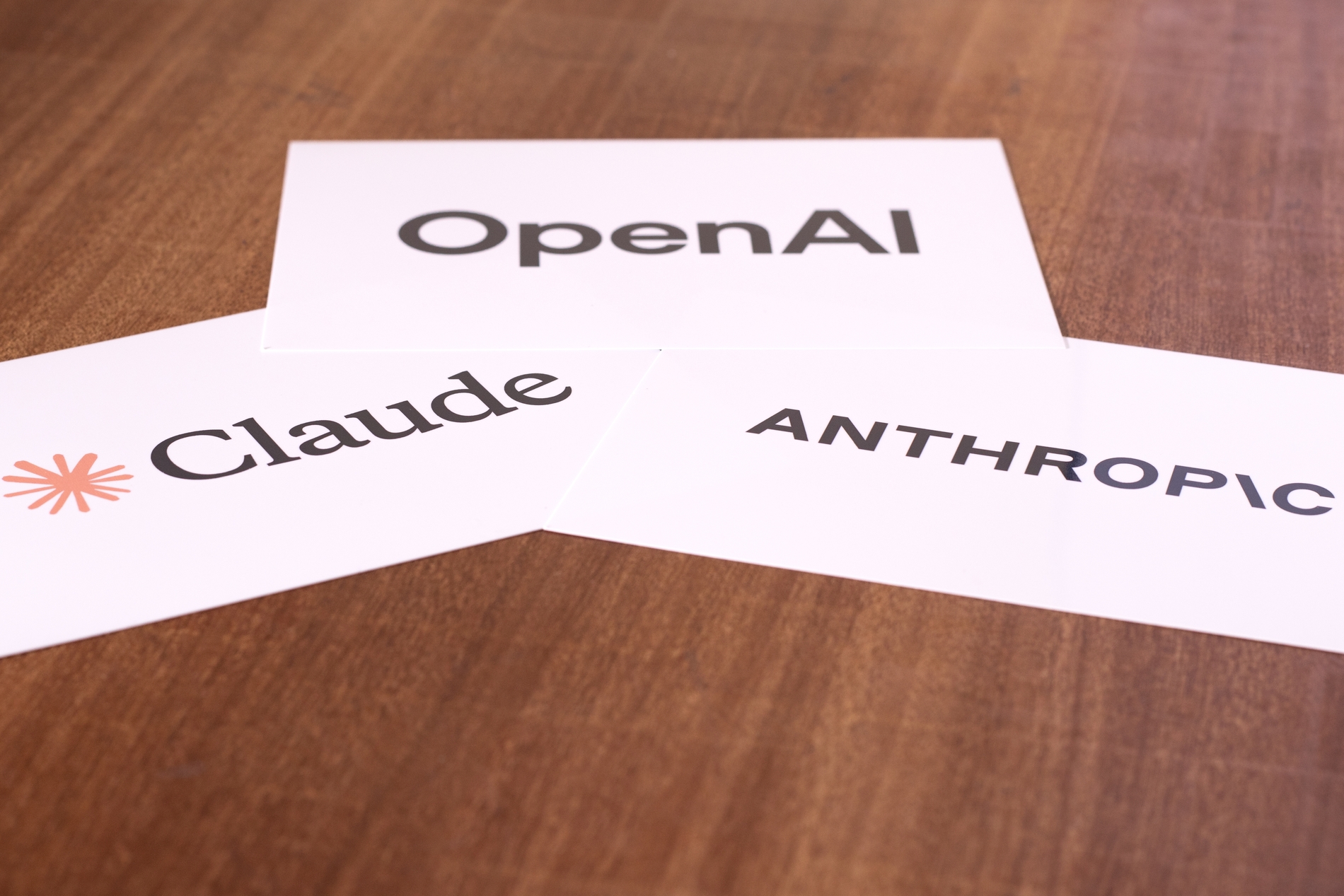
OpenAI just fired back at Anthropic, and the battlefield is your software’s security.
AI giants are now racing to be the ones who protect the world’s code, and the stakes couldn’t be higher.
Anthropic dropped a bombshell AI model on April 7, 2026, called Claude Mythos, that can find security flaws in software at a terrifying scale. OpenAI watched that happen, and on May 11, 2026, responded with a cybersecurity initiative called Daybreak.
This isn’t just two tech companies competing. It’s a fundamental shift in how software gets protected. Let’s break it all down.
To understand why Daybreak exists, you need to understand what Anthropic’s Claude Mythos did and why it alarmed the entire industry.
Anthropic announced Mythos as a general-purpose frontier AI model whose coding capabilities crossed a threshold significant enough to warrant a controlled, restricted rollout.
The results from early testing were jaw-dropping. Mythos Preview is capable of identifying and then exploiting zero-day vulnerabilities in every major operating system and web browser. And it doesn’t stop at finding them. The UK’s AI Security Institute evaluated the model and found it capable of executing multi-stage network attacks autonomously, completing a 32-step corporate network attack simulation called “The Last Ones” in three out of ten attempts. It can chain multiple small vulnerabilities into a single devastating attack, reconstruct source code from deployed software to find exploitable weaknesses, and build custom tools for lateral movement and data extraction once inside a network.
To keep it from doing that, Anthropic chose not to make Mythos publicly available and instead offered it only to a small number of major organizations through a controlled program called Project Glasswing.
Daybreak comes in competition with Mythos.
The name is intentional. OpenAI describes it as “the first glimpse of sunlight in the morning,” designed to catch vulnerabilities earlier in the development process, rather than after attackers find them.
CEO Sam Altman put it plainly on X:
OpenAI is launching Daybreak, our effort to accelerate cyber defense and continuously secure software.
AI is already good and about to get super good at cybersecurity; we'd like to start working with as many companies as possible now to help them continuously secure themselves.
— Sam Altman (@sama) May 11, 2026
How Daybreak Works
At the core of Daybreak is Codex Security. Codex Security launched in March 2026 as OpenAI’s application security agent. Daybreak significantly expands its scope, turning it from a developer coding tool into an enterprise-grade security platform with threat modeling, patch validation, and dependency risk analysis built into the development loop.
Here’s what Codex Security does under Daybreak, in plain terms:
It builds editable threat models from a company’s code repository, analyzes realistic attack paths, validates likely vulnerabilities in isolated environments, and helps teams focus on exploitable issues instead of noisy alerts. In other words, it reads your code, figures out how a hacker would break in, tests those paths in a safe sandbox, and then tells you what actually needs fixing, not a list of 10,000 low-priority warnings you’ll never get to.
Three Tiers of Access — Not Everyone Gets the Same Stuff
One of the most interesting parts of Daybreak is how OpenAI is distributing it. There are three levels, and they’re deliberately gated.
- GPT-5.5 covers general purposes with standard safeguards.
- GPT-5.5 with Trusted Access for Cyber is for most defensive security workflows, including secure code review, vulnerability triage, malware analysis, detection engineering, and patch validation.
- GPT-5.5-Cyber is reserved for specialized authorized workflows like red teaming, penetration testing, and controlled validation.
Daybreak vs. Glasswing: How Do They Compare?
Both initiatives are trying to solve the same problem by using powerful AI to find vulnerabilities before bad actors do. But there are differences in approach.
Anthropic’s Glasswing is tightly restricted. Anthropic committed up to $100 million in usage credits and has kept access limited to roughly 12 named launch partners plus about 40 additional vetted organizations. It’s exclusive, controlled, and focused on critical infrastructure.
Daybreak is aiming broader. OpenAI’s GPT-5.5-Cyber is not meant to extend raw cyber capability beyond GPT-5.5 — the key difference is in what the model will do, not what it can do. OpenAI wants to bring more organizations in, with a tiered system that scales access based on verified credentials rather than an invite-only list.
One notable gap for OpenAI is that several companies have already adopted Anthropic’s Glasswing program, including Apple, Microsoft, Google, and Amazon. Those are big names to be playing catch-up with.
Can You Get It Yet?
Not directly. Organizations must request a vulnerability scan or contact OpenAI sales. Broader deployment with industry and government partners is planned in the coming weeks. Pricing has not been disclosed.
Why This All Matters
The same AI capabilities that make Mythos and Daybreak useful for defenders are the same capabilities that could turbocharge cyberattacks.
The race to build AI-powered security tools is heating up. But the question that nobody has answered yet is whether the gates can actually hold or whether it’s only a matter of time before equally capable offensive AI ends up in the wrong hands. The answer must come fast and clear.