





























Credit: Shutterstock
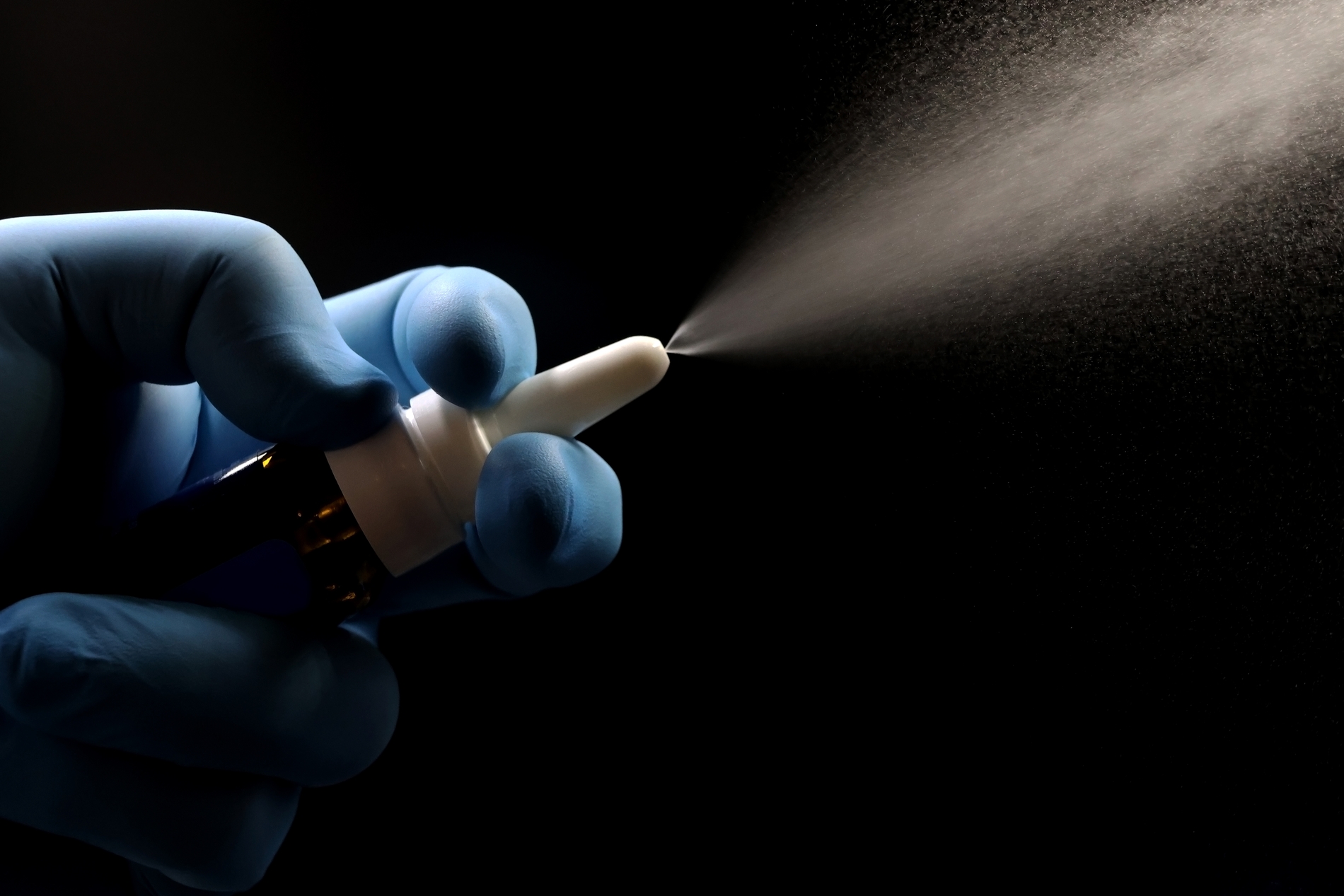
A single nasal spray could soon replace your yearly shots and protect you from viruses, bacteria, and even allergies all at once
Think about how many shots you get every year just to stay ahead of cold and flu season. Now imagine swapping all of that for one quick nasal spray. Sounds far-fetched, right? Well, researchers at Stanford Medicine just published a study that makes that idea feel very, very real.
Published on February 19 in the journal Science, the study describes an experimental vaccine given as nose drops that protected mice from COVID-19, other coronaviruses, two types of dangerous bacteria, and even common allergens. And it kept working for months. All from one vaccine.
The Problem With Vaccines Today
Here’s the thing about most vaccines. They work by showing your immune system a tiny piece of a specific virus, like the spike protein on COVID-19, so your body can recognize and fight it later. That strategy has worked incredibly well for over 200 years. But viruses are sneaky. They mutate, they change their surface proteins, and suddenly the vaccine you got last year isn’t quite as sharp. That’s why you need a new flu shot every fall.
The Stanford team decided to stop chasing individual viruses and try something nobody had seriously attempted before: training the immune system to be broadly ready for anything.
How This Vaccine Actually Works
Your immune system has two sides. The adaptive side builds targeted antibodies over time. The innate side is your rapid-response team. It fires up within minutes of detecting a threat and attacks broadly. The downside? It usually burns out within a few days.
What the Stanford team discovered is a way to keep that rapid-response team switched on for months. Their vaccine works by mimicking the signals that T cells send to innate immune cells in the lungs, telling them to stay on guard. A harmless egg protein included in the formula draws those T cells into the lungs in the first place and keeps the whole system alert.
The result was remarkable. In vaccinated mice, viral levels in the lungs dropped by 700 times compared to unvaccinated ones. And if any virus still tried to sneak through, the body launched a full adaptive immune response in just three days. Normally that takes two full weeks.
What It Protected Against
The team tested the vaccine against COVID-19 and other coronaviruses, and the mice came through in great shape. Unvaccinated mice lost significant weight, developed severe lung inflammation, and many died. Then the researchers went further and tested it against two bacteria commonly responsible for deadly hospital infections. Same strong protection. Then they tried it against house dust mites, one of the most common allergen triggers for asthma. Again, vaccinated mice had far weaker allergic reactions and kept their airways clear.
What Happens Next
Human trials are the next step, starting with a Phase I safety study. Senior author Bali Pulendran believes two doses as a nasal spray could be enough for people, and with proper funding, thinks a universal respiratory vaccine could be ready within five to seven years.
Mouse studies don’t always translate to humans, so cautious optimism is fair. But the science here is genuinely new, and the early results are hard to brush off. One nasal spray every fall covering COVID, flu, RSV, bacterial pneumonia, and spring allergens was considered an outrageous idea just a few years ago. Now it might actually happen.