



























Credit: Shutterstock
The autonomous driving leader is betting big on humanoid robots to create the next wave of intelligent machines
Mobileye Global just announced something big. The company is acquiring Mentee Robotics for $900 million. Yes, you read that right.
This isn’t just another tech acquisition. It’s a clear signal that Mobileye sees humanoid robots as the next major opportunity in artificial intelligence. The deal was announced at CES 2026 in Las Vegas, and it’s already turning heads in the tech world.
So what’s the plan here? Mobileye will pay around $612 million in cash and up to 26.2 million shares of Class A stock. The deal should close in the first quarter of 2026, assuming everything goes smoothly with regulatory approvals.
Now here’s an interesting twist. Amnon Shashua is the CEO of Mobileye, but he’s also a co-founder of Mentee Robotics. He’s been working with both companies, so he knows exactly how their technologies can complement each other. During the announcement, he called this moment “the beginning of Mobileye 3.0.” That’s a pretty strong statement about where the company is heading.
You might be wondering why a self-driving car company wants to buy a robotics startup. The answer is simpler than you’d think. Both fields actually deal with the same core challenges. Whether it’s a car driving itself or a robot walking through a warehouse, they both need to see their surroundings, understand what’s happening, and make quick decisions. The technology overlaps more than most people realize.
Mentee Robotics only came out of stealth mode in 2024. Back in March, they raised about $21 million at a valuation of roughly $162 million. That means Mobileye is paying a huge premium for this acquisition. They clearly believe the technology is worth it.
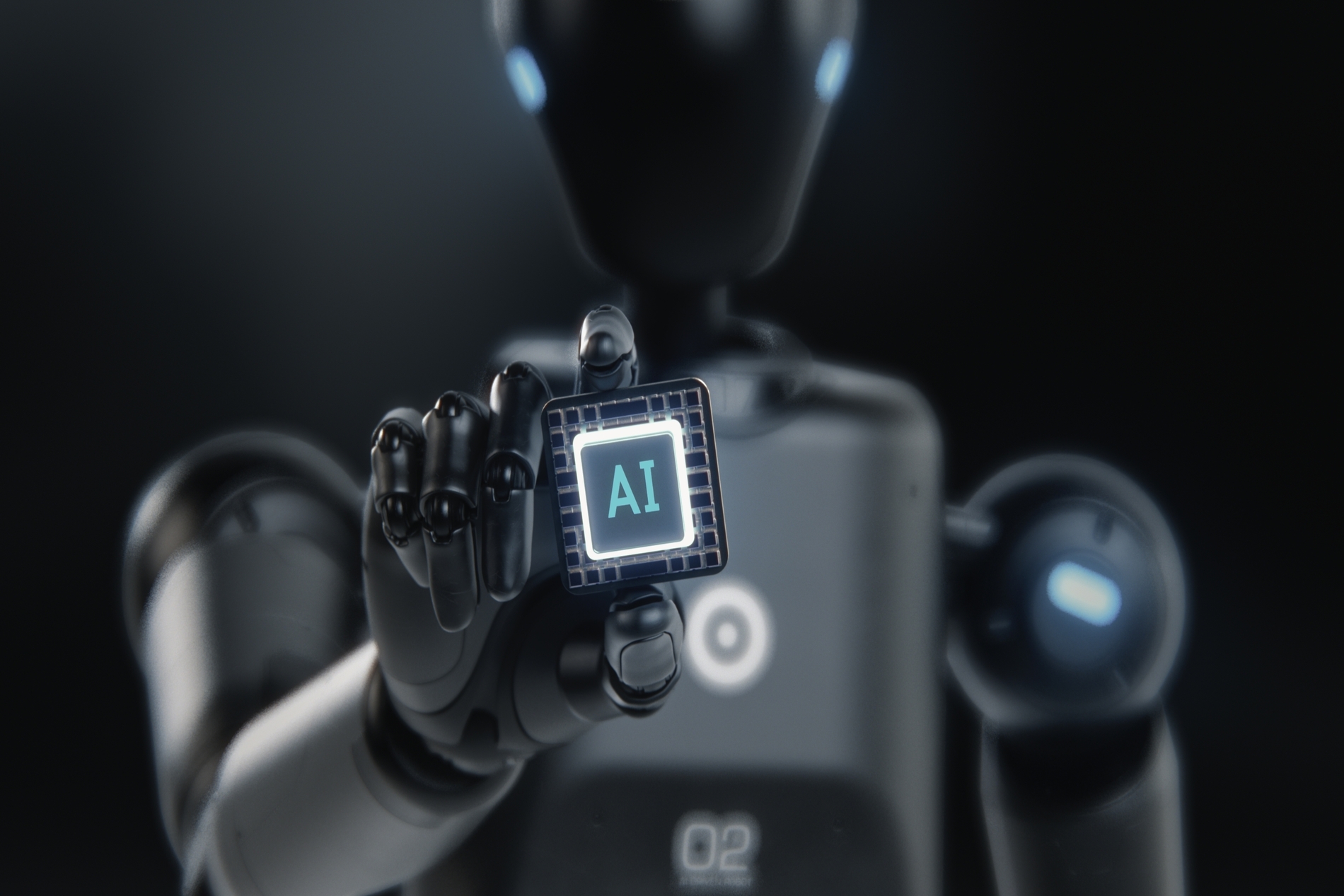
The star of the show is MenteeBot, a humanoid robot that can actually work in real environments. It can understand voice commands, move around on its own without someone controlling it remotely, and handle objects safely. The robot comes with some pretty advanced features too. We’re talking proprietary actuators, precise motor drivers, robotic arms that can sense touch, and batteries you can swap out without shutting the whole thing down.
But the really smart part is how they train it. Most companies need to collect massive amounts of real-world data to teach their robots new skills. That takes forever and costs a fortune. Mentee found a better way. Their system called Real2Sim2Real can take one demonstration from a human and turn it into millions of practice runs in a virtual environment. The robot learns way faster this way.
Why does the robot look human? That’s actually a strategic choice. Human-shaped robots can work in spaces that were built for people. They can climb stairs, use regular tools, and fit into existing warehouses and factories without needing expensive redesigns. It just makes practical sense.
Mentee isn’t alone in this race either. Tesla, Figure AI, Agility Robotics, and several Chinese companies are all developing humanoid robots right now. Elon Musk has said he thinks humanoid robots could become Tesla’s biggest business someday. The competition is heating up fast.
Mobileye has laid out a realistic roadmap for getting MenteeBot to market. In 2026, they’ll start proof-of-concept tests with real customers in places like fulfillment centers and assembly lines. Manufacturing begins in 2027 with their partner Aumovio. By 2028, they want to start selling robots commercially for industrial use. Home robots won’t arrive until around 2030.
That timeline might seem slow, but it’s actually smart. Mobileye has spent two decades bringing complex AI systems to market while meeting strict safety standards. They know you can’t rush these things. Their experience with autonomous driving safety will be crucial when building robots that work alongside people every day.
They’ve developed something called Responsibility-Sensitive Safety, which uses math to make sure autonomous systems make safe choices. That kind of expertise matters a lot when you’re putting robots in the same space as human workers.
Intel still owns about 23 percent of Mobileye, making them the largest shareholder. Last year, Intel spun out its RealSense computer vision business to focus on robotics. The connection gives Mobileye extra support as they expand into this new territory.
Lior Wolf is the CEO of Mentee Robotics. He said his team built something special in just four years. Now, joining with Mobileye gives them the resources and manufacturing expertise to actually bring these robots to market at scale. That’s the hard part most startups never figure out.
This acquisition shows how technologies from self-driving cars are finding new uses. The same AI that helps vehicles navigate city streets can help robots move through factories and eventually our homes. We’re watching the birth of what people in the industry call physical AI. Machines that don’t just think but actually interact with the real world around us.
The future is taking shape, and it looks more human than we expected.