





























Credit: Shutterstock
A 21-year study of over 100,000 women reveals the foods you eat today could quietly protect your brain for decades to come
Most of us know we should eat better. But knowing that and actually doing it feel like two very different things. So here’s some motivation that might stick: a massive study following over 105,000 women for 21 years found that people who consistently ate a Mediterranean-style diet were significantly less likely to have a stroke. Not slightly less likely. We’re talking up to 25% less likely, depending on the type.
The study was published in Neurology Open Access, a journal from the American Academy of Neurology. Researchers from the US and Greece led the work, and the scale of it alone makes the findings hard to dismiss.
So What Did They Actually Look At?
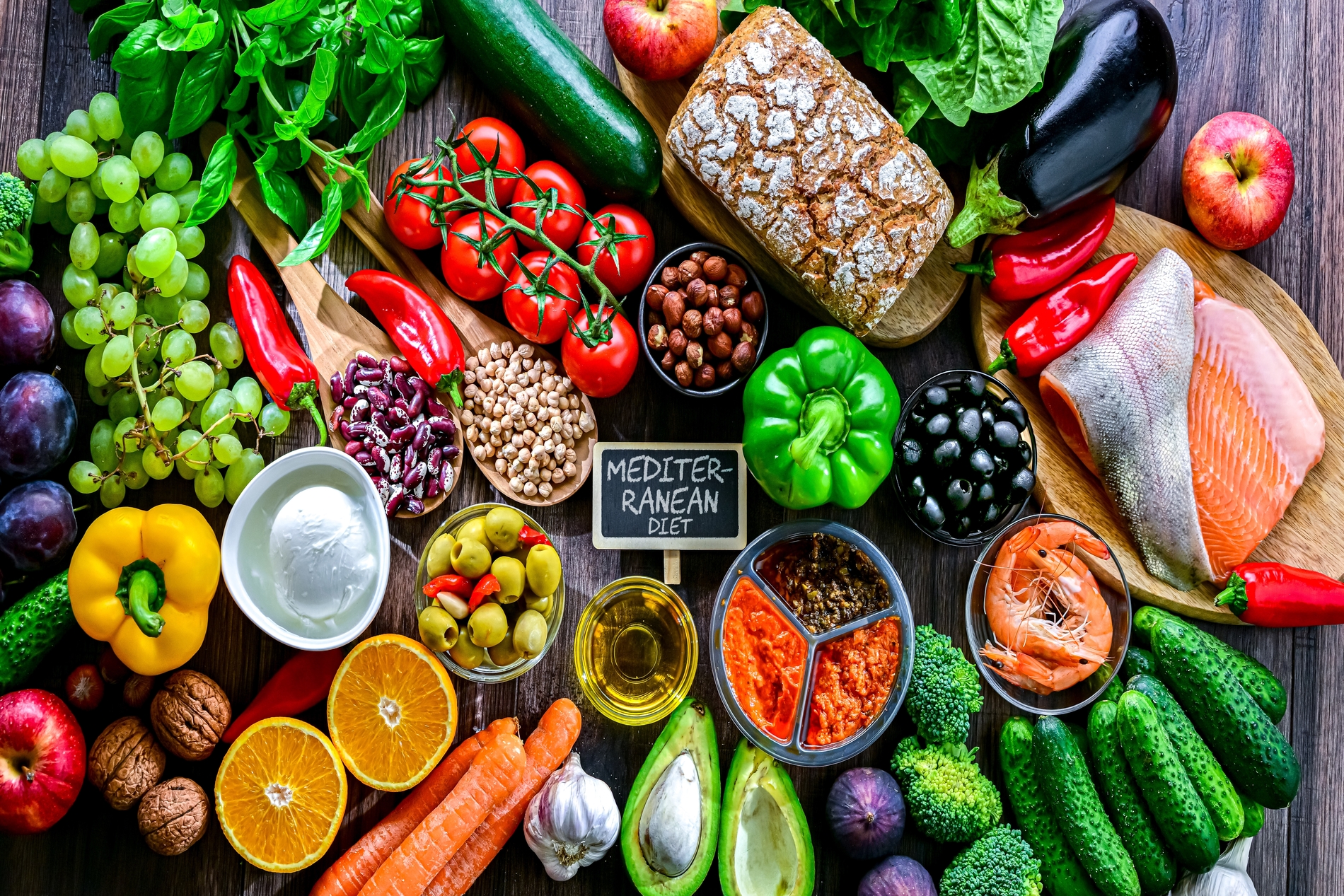
Every participant was scored on how closely she followed a Mediterranean diet. High scores went to women eating plenty of fish, olive oil, whole grains, fruits, vegetables, legumes, and nuts. Lower scores went to those leaning more on red meat and dairy. The researchers then tracked who had strokes over the next two decades and crunched the numbers.
Women with the highest diet scores were 18% less likely to experience any stroke at all. They were 16% less likely to have an ischemic stroke, which is when a clot blocks blood flow to the brain and accounts for the majority of all stroke cases. And they were 25% less likely to suffer a hemorrhagic stroke, the kind caused by bleeding inside the brain.
That 25% Number Is Kind of a Big Deal
Here’s why the hemorrhagic stroke result caught everyone’s attention. Hemorrhagic strokes are rarer than ischemic ones, but they’re also far more brutal. Survival rates are lower, recovery is harder, and permanent disability is far more common. Researchers hadn’t previously gathered strong enough evidence to say whether diet played any real role in preventing them.
Study author Sophia Wang from the City of Hope Comprehensive Cancer Centre in California said the team was especially interested in that result precisely because so few large studies had looked at this stroke type before. Outside experts who reviewed the findings were equally enthusiastic. Juliet Bouverie from the Stroke Association called it reassuring that the diet’s benefits extended to this more severe and understudied subtype.
Why This Should Matter to Everyone
Stroke is one of those diseases that feels distant until it isn’t. More than 15 million people have one every year worldwide. Five million of them don’t make it. Another 5 million are left with permanent disabilities. And experts believe nine out of ten strokes are preventable with the right lifestyle choices.
That puts a lot of power back in ordinary hands. You don’t need surgery, a new medication, or a total life overhaul. You mostly just need to rethink what’s on your plate.
The Mediterranean diet isn’t rigid or complicated. It’s more of a general approach: lean toward fish over red meat, cook with olive oil instead of butter, load up on vegetables and legumes, snack on nuts, and go easy on processed food. That’s largely it.
The researchers do want to be honest about the study’s limits. It only followed women, and participants self-reported what they ate, which isn’t always perfectly accurate. The study also shows association rather than direct cause and effect. More research is needed to understand exactly why the diet helps and whether the benefits hold equally across different groups.
But taken alongside decades of existing research, the picture gets clearer with every study like this one. Your grocery list might genuinely be one of the best things you can do for your brain.