





























Credit: Shutterstock
Scammers Are Using AI to Fake Your Boss, Your Bank, and Even Your Family Members
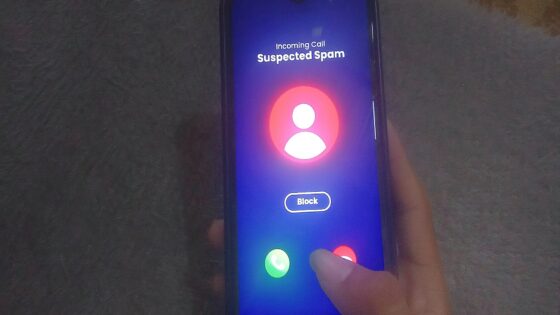
Imagine picking up your phone and hearing your mom’s voice on the other end. She sounds scared. She says she’s been in an accident and needs you to send money right now. You panic. You send it. And then you find out your mom was home the whole time, completely fine, with no idea what just happened.
That is a deepfake scam. And in 2026, they are more convincing than ever.
So What Even Is a Deepfake?
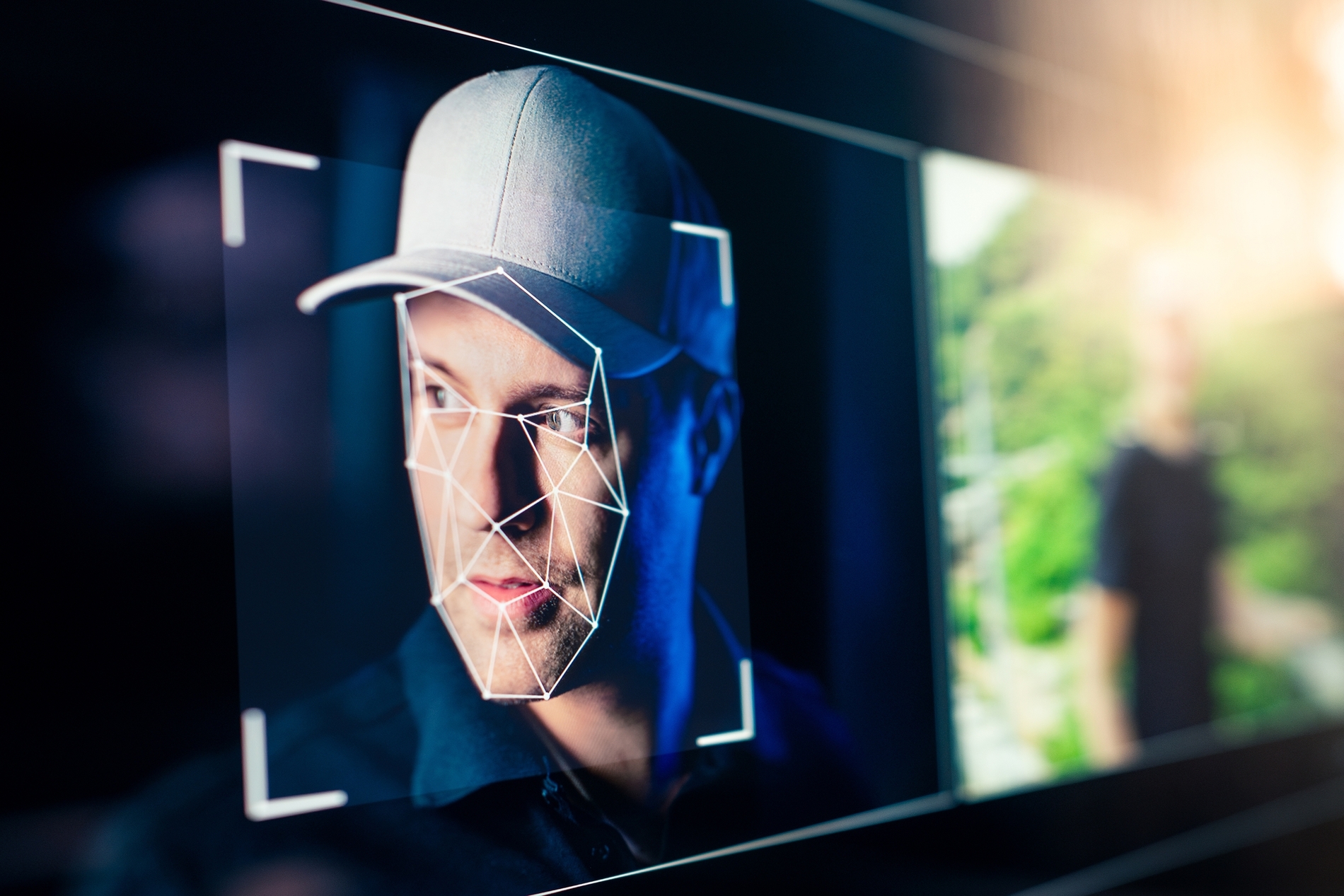
Think of it like this. You know how actors in movies can be made to look decades younger using computer graphics? Deepfakes work on a similar idea, but anyone with the right tools can do it now, not just Hollywood studios. Scammers feed an AI program a bunch of photos, videos, or voice recordings of a real person. The AI studies how that person looks, moves, and sounds. Then it can generate brand new fake content that looks and sounds just like them.
The scary part is that criminals do not need much to get started. A few minutes of your voice from a public video or social media post can be enough for AI to clone it.
Real People Have Already Lost Everything
This is not a hypothetical problem. Real people are losing real money because of deepfakes right now. One person lost $690,000 after watching a video that appeared to show Elon Musk promoting a cryptocurrency investment. The video was entirely fake, but it was convincing enough to cost someone their life savings. In another case, a grandmother received a phone call from someone who sounded exactly like her grandson, crying and begging for bail money. She almost sent it before a family member stepped in.
These scams work because they hit you emotionally before your brain has a chance to catch up.
What Scammers Are Actually Doing
In 2026, fraud using deepfakes has gone beyond sketchy internet videos. Criminals are now faking phone calls from your bank, video calls from your boss, and voice messages from people you love. They create fake identities by mixing real personal details with made-up ones to open bank accounts or pass security checks. They also build fake online personas over weeks or months just to earn your trust before going in for the steal.
The one thing almost every deepfake scam has in common is pressure. They want you to act fast and skip the part where you stop and think.
How to Catch a Deepfake Before It Catches You
Your instincts matter more than you think. If something feels slightly off about a video or phone call, that gut feeling is worth listening to.
When watching a video, pay attention to the edges of the face, especially around the hair and jaw. Deepfakes often look a little blurry or smudged in those areas. Watch the eyes too. Unnatural blinking, a glassy stare, or a face that seems just a little too smooth are all warning signs. And check if the lips actually match the words being spoken, because AI still struggles to get that perfectly right.
With audio, listen for a voice that sounds flat or weirdly smooth. Real people breathe between sentences, stumble over words occasionally, and have natural variation in their tone. If a voice sounds like every word was polished to perfection, that is worth a second look.
What You Can Do Starting Today
The most powerful thing you can do right now is slow down before you react. Scammers count on your panic. If anyone reaches out with an urgent request involving money or personal information, even if they sound exactly like someone you trust, pause. Hang up and call that person back on a number you already have. Do not use a number they gave you during the suspicious call.
Another smart move is setting up a secret family safe word. Pick a random word or phrase that only the people close to you know. If you ever get a call from a “family member” in trouble, just ask for the safe word. A real person will know it. A deepfake scammer will not.
It also helps to limit what you put out publicly online. Fewer voice clips and videos of yourself out in the open means less material for scammers to work with.
And before you believe or share anything that looks shocking, run it through a fact-checking tool like Snopes or use Google Reverse Image Search to see if something does not add up.
Stay Sharp
Deepfakes are only going to get more realistic as AI keeps improving. The good news is that awareness is genuinely one of the strongest defenses you have. Scams like these rely on catching people off guard. Once you know what to look for and build a habit of verifying before acting, you take away a lot of their power.
Not everything you see and hear online is real anymore. Keeping that thought in mind could end up saving you a lot more than just money.