
























Credit: Shutterstock
Boston Dynamics Atlas Robots Will Start Taking Over Dangerous Factory Jobs in Georgia While Promising New Roles for Human Workers
Hyundai just dropped some major news at CES 2026. The company is bringing humanoid robots to its Georgia factory, and we’re not talking about a small pilot program here. They want to manufacture 30,000 of these robots every single year by 2028.
The robot in question is Atlas, made by Boston Dynamics, which Hyundai owns. If you’ve seen those viral videos of robots doing backflips and parkour, you know Boston Dynamics doesn’t mess around. Now they’re taking that technology straight to the assembly line.
So what makes Atlas special? Well, it’s built to handle the jobs that nobody really wants to do. Heavy lifting, repetitive tasks, dangerous positions. The kind of work that wears people down over time. Atlas can lift up to 110 pounds and keep working in pretty extreme conditions, from minus 4 degrees Fahrenheit all the way up to 104 degrees. It has hands that can actually sense what they’re touching, which is crucial when you’re handling delicate car parts.
The rollout is happening in stages. Starting in 2028, these robots will handle parts sequencing at the Georgia plant. That means organizing components and moving them where they need to go. Nothing too complicated at first. By 2030, Hyundai expects Atlas to be doing actual component assembly. Eventually, the plan is to have these robots doing complex operations at every Hyundai manufacturing site.
Now, here’s the part that has workers concerned. Last year, the labor union at Kia, which is part of Hyundai, asked the company to create a special group to deal with job security issues. People are worried, and honestly, that makes sense. When you hear “30,000 robots,” it’s natural to wonder what happens to the humans doing those jobs right now.
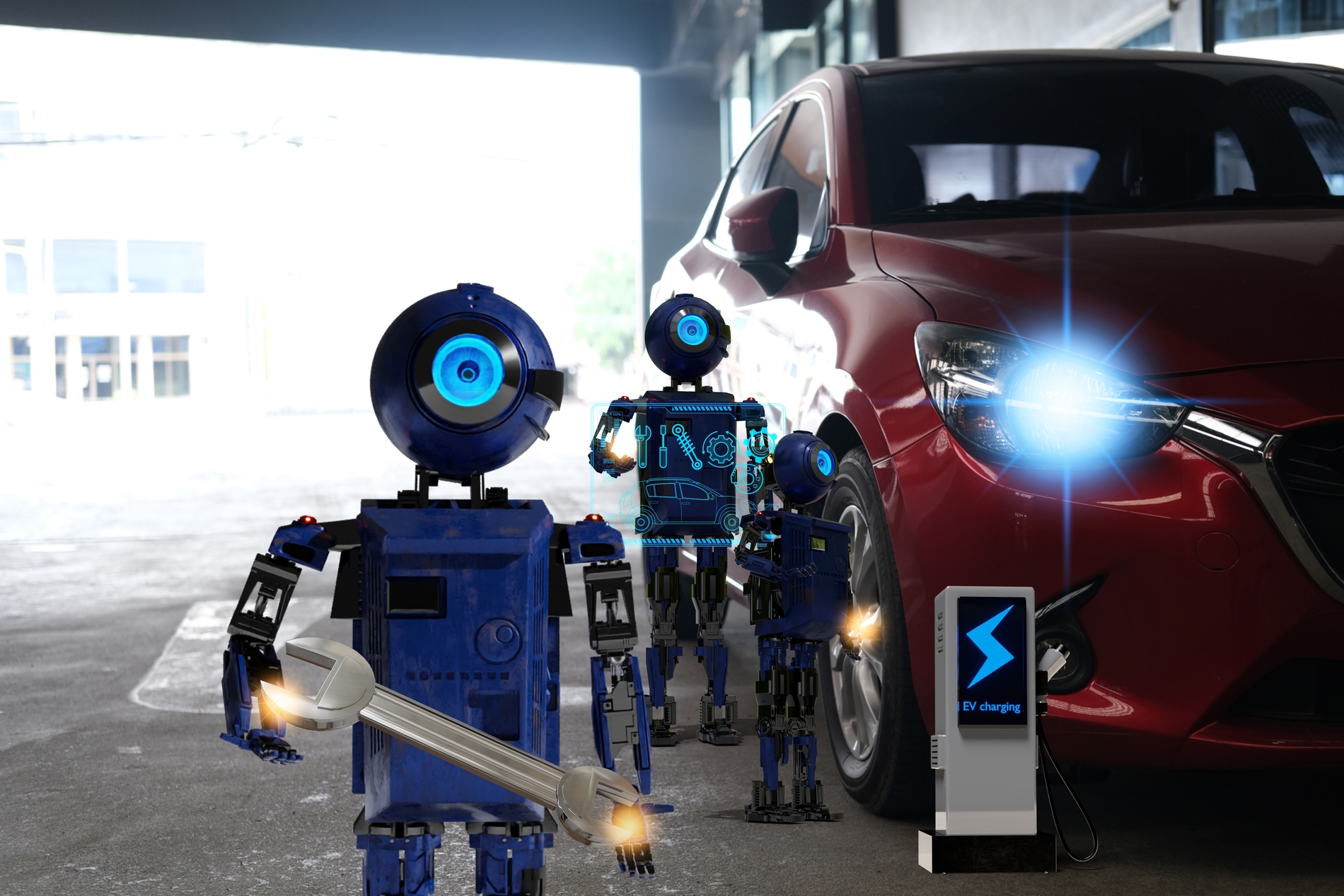
Hyundai’s vice chair Jaehoon Chang tried to address this at CES. He said people will still be needed to maintain these robots and train them. There will be new jobs created, just different ones. Whether that’s enough to ease concerns remains to be seen.
What Hyundai is really betting on is something called physical AI. It’s basically artificial intelligence that exists in the real world through robots and machines, not just on screens. They’re working with heavy hitters like Nvidia and Google to make this happen. The goal is to create what they call a software-defined factory, where everything runs on data and AI systems that can adapt as needs change.
This is a big deal for the auto industry. The technology that makes self-driving cars work is similar to what makes these humanoid robots function. Same sensors, same decision-making AI. Hyundai sees humanoid robots becoming the biggest part of the physical AI market, and they want to lead that charge.